Category: Loan Costs & Repayment

Guides for debt-to-income ratio, affordability, payment schedules, repayment planning, and total borrowing cost.

  • Debt-to-Income Ratio: How to Calculate It Before Borrowing

    Debt-to-Income Ratio: How to Calculate It Before Borrowing

    Debt-to-income ratio is easier to understand when borrowing is treated as a future payment obligation rather than as free access to money. Every loan creates a cost, a schedule, and a set of consequences if payments become difficult. This guide explains debt-to-income ratio in practical consumer language.

    Some examples and sources are U.S.-focused because they use CFPB, FTC, or Federal Student Aid guidance. Borrowers in other countries should verify local lending rules, disclosures, licensing, collection rights, and consumer protections with the appropriate regulator before making a decision. Review checkpoint 1 for debt-to-income ratio.

    Debt-to-income ratio compares debt payments with gross income

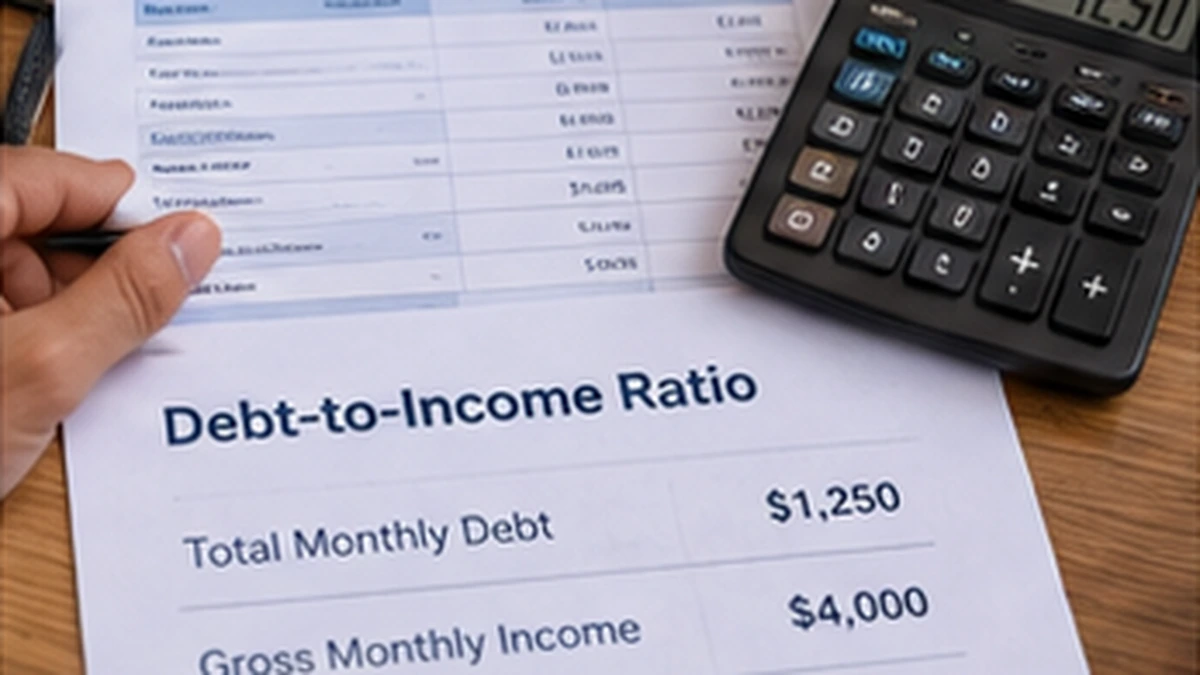
    The CFPB defines DTI as total monthly debt payments divided by gross monthly income. Lenders can use it as one measure of ability to manage additional debt.

    For debt-to-income ratio, apply this point to a real offer or current borrowing need. Write down the exact number, term, lender statement, or budget effect involved. This makes the decision easier to compare and prevents a general rule from replacing the actual contract. Review checkpoint 8 for debt-to-income ratio.

    Add the monthly debt payments used in the calculation

    Include recurring required debt payments according to the lender’s method, such as mortgages, auto loans, student loans, and credit-card minimums.

    For debt-to-income ratio, apply this point to a real offer or current borrowing need. Write down the exact number, term, lender statement, or budget effect involved. This makes the decision easier to compare and prevents a general rule from replacing the actual contract. Review checkpoint 9 for debt-to-income ratio.

    Use gross monthly income for the standard formula

    Gross income generally means income before taxes and deductions. Lenders can have specific documentation rules for irregular or self-employment income.

    For debt-to-income ratio, apply this point to a real offer or current borrowing need. Write down the exact number, term, lender statement, or budget effect involved. This makes the decision easier to compare and prevents a general rule from replacing the actual contract. Review checkpoint 10 for debt-to-income ratio.

    Convert the calculation to a percentage

    Divide monthly debt payments by gross monthly income and multiply by 100. For example, $2,000 divided by $6,000 is about 33 percent.

    For debt-to-income ratio, apply this point to a real offer or current borrowing need. Write down the exact number, term, lender statement, or budget effect involved. This makes the decision easier to compare and prevents a general rule from replacing the actual contract. Review checkpoint 11 for debt-to-income ratio.

    Different products use different DTI limits

    The CFPB notes there is no one universal DTI threshold that guarantees approval across lenders and products.

    For debt-to-income ratio, apply this point to a real offer or current borrowing need. Write down the exact number, term, lender statement, or budget effect involved. This makes the decision easier to compare and prevents a general rule from replacing the actual contract. Review checkpoint 12 for debt-to-income ratio.

    DTI does not include every household expense

    Food, utilities, childcare, medical costs, insurance, transport, and savings can affect affordability even when they are not counted as debt.

    For debt-to-income ratio, apply this point to a real offer or current borrowing need. Write down the exact number, term, lender statement, or budget effect involved. This makes the decision easier to compare and prevents a general rule from replacing the actual contract. Review checkpoint 13 for debt-to-income ratio.

    Approval and affordability are different questions

    A borrower can meet a lender’s DTI standard while still feeling financially stretched because the household has large non-debt expenses.

    For debt-to-income ratio, apply this point to a real offer or current borrowing need. Write down the exact number, term, lender statement, or budget effect involved. This makes the decision easier to compare and prevents a general rule from replacing the actual contract. Review checkpoint 14 for debt-to-income ratio.

    New debt changes the ratio

    An additional auto, personal, mortgage, or student-loan payment raises monthly debt obligations. Model the new payment before applying.

    For debt-to-income ratio, apply this point to a real offer or current borrowing need. Write down the exact number, term, lender statement, or budget effect involved. This makes the decision easier to compare and prevents a general rule from replacing the actual contract. Review checkpoint 15 for debt-to-income ratio.

    Paying off debt can improve the ratio

    Eliminating a recurring debt payment can lower DTI even when gross income stays the same.

    For debt-to-income ratio, apply this point to a real offer or current borrowing need. Write down the exact number, term, lender statement, or budget effect involved. This makes the decision easier to compare and prevents a general rule from replacing the actual contract. Review checkpoint 16 for debt-to-income ratio.

    Lenders may calculate DTI differently

    Mortgage underwriting and other loan products can use different versions or internal rules. Ask what debts and income are included.

    For debt-to-income ratio, apply this point to a real offer or current borrowing need. Write down the exact number, term, lender statement, or budget effect involved. This makes the decision easier to compare and prevents a general rule from replacing the actual contract. Review checkpoint 17 for debt-to-income ratio.

    A deeper affordability check for debt-to-income ratio

    Before accepting the loan, calculate the cash received, monthly payment, total payments, APR, fees, and amount still available for essential expenses after the payment. Then model one difficult month with lower income or an unexpected expense. A borrowing plan that fails after one ordinary setback may be too aggressive even if the lender approves it. Review checkpoint 2 for debt-to-income ratio.

    Also compare the loan with the option of borrowing less, delaying the purchase, choosing a cheaper asset, negotiating a payment plan, or using another legitimate source of funds. The purpose is not to avoid all borrowing; it is to make sure debt-to-income ratio solves the original problem without creating a larger one.

    A realistic borrowing example

    A borrower sees an offer with a monthly payment that appears manageable. After reviewing the APR, fees, term, total payments, and one month of reduced income, the borrower discovers that a smaller amount or shorter list of financed add-ons creates a more resilient budget. The example shows why debt-to-income ratio should be evaluated with both the written loan terms and the household budget.

    Connect this guide to the rest of the loan site

    Read loan payment basics for a related borrowing concept, and use loan repayment planning when the second topic helps you evaluate cost, risk, repayment, or lender safety.

    These two internal links connect the first Loan batch so readers can move between loan types, costs, affordability, repayment, and safety without creating isolated articles.

    A seven-day review plan for debt-to-income ratio

    Day 1: define the exact borrowing need and amount. Day 2: collect the written loan terms or disclosure. Day 3: compare APR, fees, payment, and term. Day 4: add the payment to the real monthly budget. Day 5: verify collateral or lender safety where relevant. Day 6: model one income or expense shock. Day 7: decide whether to borrow, reduce the amount, compare another lender, or wait. Review checkpoint 3 for debt-to-income ratio.

    The seven-day structure is only a review framework. A simple low-risk loan may take less time, while a mortgage, student loan, or high-cost short-term loan can justify much deeper review and professional advice.

    Practical checklist

    • Purpose of debt-to-income ratio identified
    • Principal and cash received confirmed
    • Interest rate and APR compared correctly
    • Fees and optional add-ons reviewed
    • Payment and term tested in the monthly budget
    • Collateral risk understood where applicable
    • Lender or servicer verified when needed
    • Plan for difficult payments considered before borrowing

    Use the checklist to identify the weakest part of your understanding of debt-to-income ratio. One unresolved fee, collateral term, or repayment assumption can matter more than several features you already understand.

    Frequently Asked Questions

    Is a lower monthly payment always better?

    No. A lower payment can result from a longer term, which may increase total interest and keep the debt active longer. Compare both payment and total cost.

    Should I focus on interest rate or APR?

    Both matter. Interest rate is the charge for borrowing, while APR is a broader comparison measure that can include certain fees. Compare like with like across offers.

    Does loan approval mean the loan is affordable?

    No. Approval is a lender decision. Affordability depends on the household budget, income stability, essential expenses, savings, and the amount of risk the borrower can carry.

    Where should I verify local lending rules?

    Use the government or financial regulator responsible for lending in your jurisdiction. U.S. sources such as CFPB, FTC, and Federal Student Aid do not replace local rules elsewhere.

    Practical review 1 for debt-to-income ratio

    Take one real disclosure or payment estimate and explain it in plain language. Identify what you receive today, what you must repay, how long repayment lasts, which fees are charged, and what event would create the greatest financial stress. This review makes debt-to-income ratio easier to evaluate without relying on advertising language. Review checkpoint 18 for debt-to-income ratio.

    Then compare the same decision with a smaller loan, a shorter term, or another legitimate lender. Write one reason to accept the offer and one reason to decline it. If the reasons are still vague, gather more information before signing. Review checkpoint 4 for debt-to-income ratio.

    Practical review 2 for debt-to-income ratio

    Take one real disclosure or payment estimate and explain it in plain language. Identify what you receive today, what you must repay, how long repayment lasts, which fees are charged, and what event would create the greatest financial stress. This review makes debt-to-income ratio easier to evaluate without relying on advertising language. Review checkpoint 19 for debt-to-income ratio.

    Then compare the same decision with a smaller loan, a shorter term, or another legitimate lender. Write one reason to accept the offer and one reason to decline it. If the reasons are still vague, gather more information before signing. Review checkpoint 5 for debt-to-income ratio.

    Practical review 3 for debt-to-income ratio

    Take one real disclosure or payment estimate and explain it in plain language. Identify what you receive today, what you must repay, how long repayment lasts, which fees are charged, and what event would create the greatest financial stress. This review makes debt-to-income ratio easier to evaluate without relying on advertising language. Review checkpoint 20 for debt-to-income ratio.

    Then compare the same decision with a smaller loan, a shorter term, or another legitimate lender. Write one reason to accept the offer and one reason to decline it. If the reasons are still vague, gather more information before signing. Review checkpoint 6 for debt-to-income ratio.

    Practical review 4 for debt-to-income ratio

    Take one real disclosure or payment estimate and explain it in plain language. Identify what you receive today, what you must repay, how long repayment lasts, which fees are charged, and what event would create the greatest financial stress. This review makes debt-to-income ratio easier to evaluate without relying on advertising language. Review checkpoint 21 for debt-to-income ratio.

    Then compare the same decision with a smaller loan, a shorter term, or another legitimate lender. Write one reason to accept the offer and one reason to decline it. If the reasons are still vague, gather more information before signing. Review checkpoint 7 for debt-to-income ratio.

    Authoritative resource to review

    For an authoritative reference related to this topic, review Consumer Financial Protection Bureau – Debt-to-Income Ratio. Use the source for the core concept, then verify the exact lender terms and local consumer rules before borrowing.

    Final perspective

    Debt-to-income ratio is not only about getting approved. A strong borrowing decision is one where the cost is understood, the payment fits the budget, the lender is legitimate, the risks are visible, and there is a realistic plan for repayment when the month does not go perfectly.
  • Loan Repayment Plan: How to Test Affordability Before You Borrow

    Loan Repayment Plan: How to Test Affordability Before You Borrow

    Loan repayment plan is easier to understand when borrowing is treated as a future payment obligation rather than as free access to money. Every loan creates a cost, a schedule, and a set of consequences if payments become difficult. This guide explains loan repayment plan in practical consumer language.

    Some examples and sources are U.S.-focused because they use CFPB, FTC, or Federal Student Aid guidance. Borrowers in other countries should verify local lending rules, disclosures, licensing, collection rights, and consumer protections with the appropriate regulator before making a decision. Review checkpoint 1 for loan repayment plan.

    Loan repayment plan starts before the application

    Write the expected payment, due date, income schedule, and essential expenses before borrowing. Repayment should be part of the decision, not a problem left for the first bill.

    For loan repayment plan, apply this point to a real offer or current borrowing need. Write down the exact number, term, lender statement, or budget effect involved. This makes the decision easier to compare and prevents a general rule from replacing the actual contract. Review checkpoint 9 for loan repayment plan.

    Use the actual disclosed payment

    Budget with the payment shown in the loan documents rather than an advertising estimate.

    For loan repayment plan, apply this point to a real offer or current borrowing need. Write down the exact number, term, lender statement, or budget effect involved. This makes the decision easier to compare and prevents a general rule from replacing the actual contract. Review checkpoint 10 for loan repayment plan.

    Add the payment to the full household budget

    Place the loan beside housing, food, utilities, insurance, transport, childcare, existing debt, and savings.

    For loan repayment plan, apply this point to a real offer or current borrowing need. Write down the exact number, term, lender statement, or budget effect involved. This makes the decision easier to compare and prevents a general rule from replacing the actual contract. Review checkpoint 11 for loan repayment plan.

    Build a payment buffer

    Leave enough cash flow so a small emergency does not immediately cause a missed payment.

    For loan repayment plan, apply this point to a real offer or current borrowing need. Write down the exact number, term, lender statement, or budget effect involved. This makes the decision easier to compare and prevents a general rule from replacing the actual contract. Review checkpoint 12 for loan repayment plan.

    Check automatic-payment timing

    Autopay can help prevent late payments but can create overdraft problems when the due date does not align with income.

    For loan repayment plan, apply this point to a real offer or current borrowing need. Write down the exact number, term, lender statement, or budget effect involved. This makes the decision easier to compare and prevents a general rule from replacing the actual contract. Review checkpoint 13 for loan repayment plan.

    Plan for an income interruption

    Ask what would happen if income falls for one month and which expenses or savings would cover the gap.

    For loan repayment plan, apply this point to a real offer or current borrowing need. Write down the exact number, term, lender statement, or budget effect involved. This makes the decision easier to compare and prevents a general rule from replacing the actual contract. Review checkpoint 14 for loan repayment plan.

    Understand hardship and late-payment rules

    Do not assume the lender will pause payments automatically. Review the contract and ask about available options before trouble begins.

    For loan repayment plan, apply this point to a real offer or current borrowing need. Write down the exact number, term, lender statement, or budget effect involved. This makes the decision easier to compare and prevents a general rule from replacing the actual contract. Review checkpoint 15 for loan repayment plan.

    Check early-payoff rules

    If you expect to pay faster, verify how extra payments are applied and whether any prepayment penalty exists.

    For loan repayment plan, apply this point to a real offer or current borrowing need. Write down the exact number, term, lender statement, or budget effect involved. This makes the decision easier to compare and prevents a general rule from replacing the actual contract. Review checkpoint 16 for loan repayment plan.

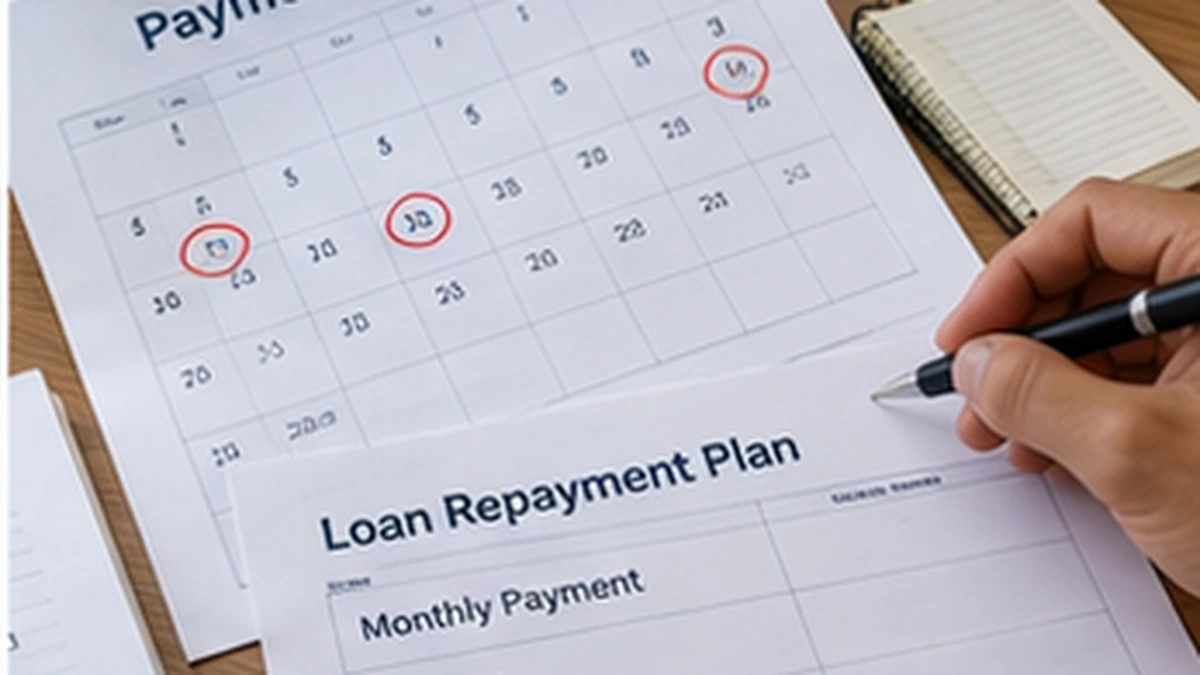
    Create a payoff calendar

    List due dates, paydays, and large annual expenses so the loan does not collide unexpectedly with insurance, tuition, taxes, or other obligations.

    For loan repayment plan, apply this point to a real offer or current borrowing need. Write down the exact number, term, lender statement, or budget effect involved. This makes the decision easier to compare and prevents a general rule from replacing the actual contract. Review checkpoint 17 for loan repayment plan.

    Track balance and interest

    Review statements periodically to confirm that payments are reducing principal as expected and that unexpected fees are not accumulating.

    For loan repayment plan, apply this point to a real offer or current borrowing need. Write down the exact number, term, lender statement, or budget effect involved. This makes the decision easier to compare and prevents a general rule from replacing the actual contract. Review checkpoint 18 for loan repayment plan.

    A deeper affordability check for loan repayment plan

    Before accepting the loan, calculate the cash received, monthly payment, total payments, APR, fees, and amount still available for essential expenses after the payment. Then model one difficult month with lower income or an unexpected expense. A borrowing plan that fails after one ordinary setback may be too aggressive even if the lender approves it. Review checkpoint 2 for loan repayment plan.

    Also compare the loan with the option of borrowing less, delaying the purchase, choosing a cheaper asset, negotiating a payment plan, or using another legitimate source of funds. The purpose is not to avoid all borrowing; it is to make sure loan repayment plan solves the original problem without creating a larger one.

    A realistic borrowing example

    A borrower sees an offer with a monthly payment that appears manageable. After reviewing the APR, fees, term, total payments, and one month of reduced income, the borrower discovers that a smaller amount or shorter list of financed add-ons creates a more resilient budget. The example shows why loan repayment plan should be evaluated with both the written loan terms and the household budget.

    Connect this guide to the rest of the loan site

    Read debt-to-income ratio for a related borrowing concept, and use APR and loan terms when the second topic helps you evaluate cost, risk, repayment, or lender safety.

    These two internal links connect the first Loan batch so readers can move between loan types, costs, affordability, repayment, and safety without creating isolated articles.

    A seven-day review plan for loan repayment plan

    Day 1: define the exact borrowing need and amount. Day 2: collect the written loan terms or disclosure. Day 3: compare APR, fees, payment, and term. Day 4: add the payment to the real monthly budget. Day 5: verify collateral or lender safety where relevant. Day 6: model one income or expense shock. Day 7: decide whether to borrow, reduce the amount, compare another lender, or wait. Review checkpoint 3 for loan repayment plan.

    The seven-day structure is only a review framework. A simple low-risk loan may take less time, while a mortgage, student loan, or high-cost short-term loan can justify much deeper review and professional advice.

    Practical checklist

    • Purpose of loan repayment plan identified
    • Principal and cash received confirmed
    • Interest rate and APR compared correctly
    • Fees and optional add-ons reviewed
    • Payment and term tested in the monthly budget
    • Collateral risk understood where applicable
    • Lender or servicer verified when needed
    • Plan for difficult payments considered before borrowing

    Use the checklist to identify the weakest part of your understanding of loan repayment plan. One unresolved fee, collateral term, or repayment assumption can matter more than several features you already understand.

    Frequently Asked Questions

    Is a lower monthly payment always better?

    No. A lower payment can result from a longer term, which may increase total interest and keep the debt active longer. Compare both payment and total cost.

    Should I focus on interest rate or APR?

    Both matter. Interest rate is the charge for borrowing, while APR is a broader comparison measure that can include certain fees. Compare like with like across offers.

    Does loan approval mean the loan is affordable?

    No. Approval is a lender decision. Affordability depends on the household budget, income stability, essential expenses, savings, and the amount of risk the borrower can carry.

    Where should I verify local lending rules?

    Use the government or financial regulator responsible for lending in your jurisdiction. U.S. sources such as CFPB, FTC, and Federal Student Aid do not replace local rules elsewhere.

    Practical review 1 for loan repayment plan

    Take one real disclosure or payment estimate and explain it in plain language. Identify what you receive today, what you must repay, how long repayment lasts, which fees are charged, and what event would create the greatest financial stress. This review makes loan repayment plan easier to evaluate without relying on advertising language. Review checkpoint 19 for loan repayment plan.

    Then compare the same decision with a smaller loan, a shorter term, or another legitimate lender. Write one reason to accept the offer and one reason to decline it. If the reasons are still vague, gather more information before signing. Review checkpoint 4 for loan repayment plan.

    Practical review 2 for loan repayment plan

    Take one real disclosure or payment estimate and explain it in plain language. Identify what you receive today, what you must repay, how long repayment lasts, which fees are charged, and what event would create the greatest financial stress. This review makes loan repayment plan easier to evaluate without relying on advertising language. Review checkpoint 20 for loan repayment plan.

    Then compare the same decision with a smaller loan, a shorter term, or another legitimate lender. Write one reason to accept the offer and one reason to decline it. If the reasons are still vague, gather more information before signing. Review checkpoint 5 for loan repayment plan.

    Practical review 3 for loan repayment plan

    Take one real disclosure or payment estimate and explain it in plain language. Identify what you receive today, what you must repay, how long repayment lasts, which fees are charged, and what event would create the greatest financial stress. This review makes loan repayment plan easier to evaluate without relying on advertising language. Review checkpoint 21 for loan repayment plan.

    Then compare the same decision with a smaller loan, a shorter term, or another legitimate lender. Write one reason to accept the offer and one reason to decline it. If the reasons are still vague, gather more information before signing. Review checkpoint 6 for loan repayment plan.

    Practical review 4 for loan repayment plan

    Take one real disclosure or payment estimate and explain it in plain language. Identify what you receive today, what you must repay, how long repayment lasts, which fees are charged, and what event would create the greatest financial stress. This review makes loan repayment plan easier to evaluate without relying on advertising language. Review checkpoint 22 for loan repayment plan.

    Then compare the same decision with a smaller loan, a shorter term, or another legitimate lender. Write one reason to accept the offer and one reason to decline it. If the reasons are still vague, gather more information before signing. Review checkpoint 7 for loan repayment plan.

    Authoritative resource to review

    For an authoritative reference related to this topic, review Consumer Financial Protection Bureau – Personal Installment Loans. Use the source for the core concept, then verify the exact lender terms and local consumer rules before borrowing. Review checkpoint 8 for loan repayment plan.

    Final perspective

    Loan repayment plan is not only about getting approved. A strong borrowing decision is one where the cost is understood, the payment fits the budget, the lender is legitimate, the risks are visible, and there is a realistic plan for repayment when the month does not go perfectly.