
Tag: borrowing

  • How Loans Work: Principal, Interest, APR, Fees and Loan Term

    How Loans Work: Principal, Interest, APR, Fees and Loan Term

    How loans work is easier to understand when borrowing is treated as a future payment obligation rather than as free access to money. Every loan creates a cost, a schedule, and a set of consequences if payments become difficult. This guide explains how loans work in practical consumer language.

    Some examples and sources are U.S.-focused because they use CFPB, FTC, or Federal Student Aid guidance. Borrowers in other countries should verify local lending rules, disclosures, licensing, collection rights, and consumer protections with the appropriate regulator before making a decision. Review checkpoint 1 for how loans work.

    How loans work starts with principal

    Principal is the base amount borrowed before interest and fees. It is the starting balance the borrower agrees to repay under the contract.

    For how loans work, apply this point to a real offer or current borrowing need. Write down the exact number, term, lender statement, or budget effect involved. This makes the decision easier to compare and prevents a general rule from replacing the actual contract. Review checkpoint 2 for how loans work.

    Interest is the cost of borrowing

    Interest is the price charged for using the lender’s money. The rate alone does not show every borrowing cost because fees and term can also change the total amount paid.

    For how loans work, apply this point to a real offer or current borrowing need. Write down the exact number, term, lender statement, or budget effect involved. This makes the decision easier to compare and prevents a general rule from replacing the actual contract. Review checkpoint 3 for how loans work.

    APR gives a broader cost measure

    The CFPB explains that APR reflects the interest rate plus certain additional loan charges. Comparing APR to APR is often more useful than comparing a rate from one offer with an APR from another.

    For how loans work, apply this point to a real offer or current borrowing need. Write down the exact number, term, lender statement, or budget effect involved. This makes the decision easier to compare and prevents a general rule from replacing the actual contract. Review checkpoint 4 for how loans work.

    Loan term changes both payment and total cost

    A longer term can reduce the monthly payment but keep the borrower in debt longer and often increase total interest. A shorter term can cost more each month while reducing borrowing time.

    For how loans work, apply this point to a real offer or current borrowing need. Write down the exact number, term, lender statement, or budget effect involved. This makes the decision easier to compare and prevents a general rule from replacing the actual contract. Review checkpoint 5 for how loans work.

    Fees can reduce the value of the loan

    Origination, documentation, late, optional insurance, or other charges can increase cost. Some fees may be deducted from proceeds, meaning the borrower receives less cash than the stated principal.

    For how loans work, apply this point to a real offer or current borrowing need. Write down the exact number, term, lender statement, or budget effect involved. This makes the decision easier to compare and prevents a general rule from replacing the actual contract. Review checkpoint 6 for how loans work.

    Fixed and adjustable rates behave differently

    Fixed rates are designed to stay the same under the contract, while adjustable rates can change according to stated rules. Borrowers should understand whether future payments can rise.

    For how loans work, apply this point to a real offer or current borrowing need. Write down the exact number, term, lender statement, or budget effect involved. This makes the decision easier to compare and prevents a general rule from replacing the actual contract. Review checkpoint 7 for how loans work.

    Payment schedule matters

    Monthly, biweekly, weekly, or short-term repayment schedules create different cash-flow pressures. Due dates, automatic payments, grace rules, and late charges should be clear before borrowing.

    For how loans work, apply this point to a real offer or current borrowing need. Write down the exact number, term, lender statement, or budget effect involved. This makes the decision easier to compare and prevents a general rule from replacing the actual contract. Review checkpoint 8 for how loans work.

    Total of payments matters

    The total of payments shows how much money leaves the household over the life of the loan if paid as scheduled. It can reveal the cost hidden by a low monthly payment.

    For how loans work, apply this point to a real offer or current borrowing need. Write down the exact number, term, lender statement, or budget effect involved. This makes the decision easier to compare and prevents a general rule from replacing the actual contract. Review checkpoint 9 for how loans work.

    Prepayment rules matter

    Some loans allow early payoff without penalty while others may include restrictions. Borrowers expecting to pay faster should check the contract instead of assuming extra payments always work the same way.

    For how loans work, apply this point to a real offer or current borrowing need. Write down the exact number, term, lender statement, or budget effect involved. This makes the decision easier to compare and prevents a general rule from replacing the actual contract. Review checkpoint 10 for how loans work.

    The signed contract controls the obligation

    Advertising can simplify a loan, but the agreement and required disclosures contain the actual repayment terms, fees, collateral, and consequences of missed payments.

    For how loans work, apply this point to a real offer or current borrowing need. Write down the exact number, term, lender statement, or budget effect involved. This makes the decision easier to compare and prevents a general rule from replacing the actual contract. Review checkpoint 11 for how loans work.

    A deeper affordability check for how loans work

    Before accepting the loan, calculate the cash received, monthly payment, total payments, APR, fees, and amount still available for essential expenses after the payment. Then model one difficult month with lower income or an unexpected expense. A borrowing plan that fails after one ordinary setback may be too aggressive even if the lender approves it. Review checkpoint 12 for how loans work.

    Also compare the loan with the option of borrowing less, delaying the purchase, choosing a cheaper asset, negotiating a payment plan, or using another legitimate source of funds. The purpose is not to avoid all borrowing; it is to make sure how loans work solves the original problem without creating a larger one.

    A realistic borrowing example

    A borrower sees an offer with a monthly payment that appears manageable. After reviewing the APR, fees, term, total payments, and one month of reduced income, the borrower discovers that a smaller amount or shorter list of financed add-ons creates a more resilient budget. The example shows why how loans work should be evaluated with both the written loan terms and the household budget.

    Connect this guide to the rest of the loan site

    Read secured vs unsecured loans for a related borrowing concept, and use loan repayment plan when the second topic helps you evaluate cost, risk, repayment, or lender safety.

    These two internal links connect the first Loan batch so readers can move between loan types, costs, affordability, repayment, and safety without creating isolated articles.

    A seven-day review plan for how loans work

    Day 1: define the exact borrowing need and amount. Day 2: collect the written loan terms or disclosure. Day 3: compare APR, fees, payment, and term. Day 4: add the payment to the real monthly budget. Day 5: verify collateral or lender safety where relevant. Day 6: model one income or expense shock. Day 7: decide whether to borrow, reduce the amount, compare another lender, or wait. Review checkpoint 13 for how loans work.

    The seven-day structure is only a review framework. A simple low-risk loan may take less time, while a mortgage, student loan, or high-cost short-term loan can justify much deeper review and professional advice.

    Practical checklist

    • Purpose of how loans work identified
    • Principal and cash received confirmed
    • Interest rate and APR compared correctly
    • Fees and optional add-ons reviewed
    • Payment and term tested in the monthly budget
    • Collateral risk understood where applicable
    • Lender or servicer verified when needed
    • Plan for difficult payments considered before borrowing

    Use the checklist to identify the weakest part of your understanding of how loans work. One unresolved fee, collateral term, or repayment assumption can matter more than several features you already understand.

    Frequently Asked Questions

    Is a lower monthly payment always better?

    No. A lower payment can result from a longer term, which may increase total interest and keep the debt active longer. Compare both payment and total cost.

    Should I focus on interest rate or APR?

    Both matter. Interest rate is the charge for borrowing, while APR is a broader comparison measure that can include certain fees. Compare like with like across offers.

    Does loan approval mean the loan is affordable?

    No. Approval is a lender decision. Affordability depends on the household budget, income stability, essential expenses, savings, and the amount of risk the borrower can carry.

    Where should I verify local lending rules?

    Use the government or financial regulator responsible for lending in your jurisdiction. U.S. sources such as CFPB, FTC, and Federal Student Aid do not replace local rules elsewhere.

    Practical review 1 for how loans work

    Take one real disclosure or payment estimate and explain it in plain language. Identify what you receive today, what you must repay, how long repayment lasts, which fees are charged, and what event would create the greatest financial stress. This review makes how loans work easier to evaluate without relying on advertising language. Review checkpoint 14 for how loans work.

    Then compare the same decision with a smaller loan, a shorter term, or another legitimate lender. Write one reason to accept the offer and one reason to decline it. If the reasons are still vague, gather more information before signing. Review checkpoint 17 for how loans work.

    Practical review 2 for how loans work

    Take one real disclosure or payment estimate and explain it in plain language. Identify what you receive today, what you must repay, how long repayment lasts, which fees are charged, and what event would create the greatest financial stress. This review makes how loans work easier to evaluate without relying on advertising language. Review checkpoint 15 for how loans work.

    Then compare the same decision with a smaller loan, a shorter term, or another legitimate lender. Write one reason to accept the offer and one reason to decline it. If the reasons are still vague, gather more information before signing. Review checkpoint 18 for how loans work.

    Practical review 3 for how loans work

    Take one real disclosure or payment estimate and explain it in plain language. Identify what you receive today, what you must repay, how long repayment lasts, which fees are charged, and what event would create the greatest financial stress. This review makes how loans work easier to evaluate without relying on advertising language. Review checkpoint 16 for how loans work.

    Then compare the same decision with a smaller loan, a shorter term, or another legitimate lender. Write one reason to accept the offer and one reason to decline it. If the reasons are still vague, gather more information before signing. Review checkpoint 19 for how loans work.

    Authoritative resource to review

    For an authoritative reference related to this topic, review Consumer Financial Protection Bureau – Interest Rate vs APR. Use the source for the core concept, then verify the exact lender terms and local consumer rules before borrowing.

    Final perspective

    How loans work is not only about getting approved. A strong borrowing decision is one where the cost is understood, the payment fits the budget, the lender is legitimate, the risks are visible, and there is a realistic plan for repayment when the month does not go perfectly.

  • Secured vs Unsecured Loans: What Is the Difference?

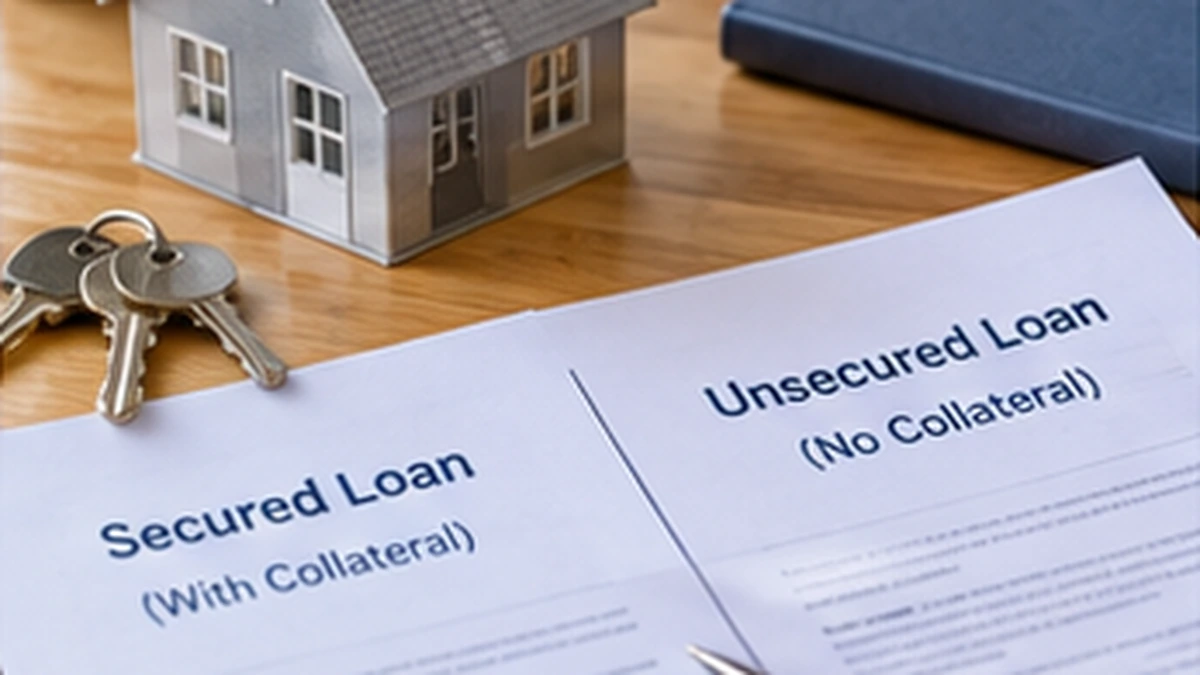
    Secured vs Unsecured Loans: What Is the Difference?

    Secured vs unsecured loans is easier to understand when borrowing is treated as a future payment obligation rather than as free access to money. Every loan creates a cost, a schedule, and a set of consequences if payments become difficult. This guide explains secured vs unsecured loans in practical consumer language.

    Some examples and sources are U.S.-focused because they use CFPB, FTC, or Federal Student Aid guidance. Borrowers in other countries should verify local lending rules, disclosures, licensing, collection rights, and consumer protections with the appropriate regulator before making a decision. Review checkpoint 1 for secured vs unsecured loans.

    Secured vs unsecured loans begins with collateral

    A secured loan uses property or another asset as collateral. If the borrower does not repay, the lender may be able to take the collateral under the contract and applicable law.

    For secured vs unsecured loans, apply this point to a real offer or current borrowing need. Write down the exact number, term, lender statement, or budget effect involved. This makes the decision easier to compare and prevents a general rule from replacing the actual contract. Review checkpoint 7 for secured vs unsecured loans.

    Mortgages and auto loans are common secured loans

    Homes and vehicles commonly secure the debt used to buy them. The collateral gives the lender a claim against an asset if the loan defaults.

    For secured vs unsecured loans, apply this point to a real offer or current borrowing need. Write down the exact number, term, lender statement, or budget effect involved. This makes the decision easier to compare and prevents a general rule from replacing the actual contract. Review checkpoint 8 for secured vs unsecured loans.

    Unsecured loans do not pledge an asset

    An unsecured loan relies more heavily on the borrower’s promise, credit profile, income, and other underwriting information rather than on specific collateral.

    For secured vs unsecured loans, apply this point to a real offer or current borrowing need. Write down the exact number, term, lender statement, or budget effect involved. This makes the decision easier to compare and prevents a general rule from replacing the actual contract. Review checkpoint 9 for secured vs unsecured loans.

    Unsecured does not mean consequence-free

    Missing unsecured-loan payments can still lead to collection, negative credit reporting, lawsuits where allowed, and other consequences even though no specific asset was pledged.

    For secured vs unsecured loans, apply this point to a real offer or current borrowing need. Write down the exact number, term, lender statement, or budget effect involved. This makes the decision easier to compare and prevents a general rule from replacing the actual contract. Review checkpoint 10 for secured vs unsecured loans.

    Collateral changes household risk

    The lower rate on a secured loan may come with the possibility of losing an essential asset. A home or vehicle can be more important to financial stability than the interest savings.

    For secured vs unsecured loans, apply this point to a real offer or current borrowing need. Write down the exact number, term, lender statement, or budget effect involved. This makes the decision easier to compare and prevents a general rule from replacing the actual contract. Review checkpoint 11 for secured vs unsecured loans.

    Approval standards can differ

    Because collateral can reduce lender risk, secured and unsecured products can use different underwriting rules. The best offer depends on both cost and what the borrower puts at risk.

    For secured vs unsecured loans, apply this point to a real offer or current borrowing need. Write down the exact number, term, lender statement, or budget effect involved. This makes the decision easier to compare and prevents a general rule from replacing the actual contract. Review checkpoint 12 for secured vs unsecured loans.

    Asset value can change

    A car or other asset can fall in value faster than the loan balance. If collateral is sold after default, a remaining deficiency may still be owed in some situations.

    For secured vs unsecured loans, apply this point to a real offer or current borrowing need. Write down the exact number, term, lender statement, or budget effect involved. This makes the decision easier to compare and prevents a general rule from replacing the actual contract. Review checkpoint 13 for secured vs unsecured loans.

    The purpose of borrowing should fit the risk

    Using an essential asset as collateral for a nonessential purchase can create a large downside. Borrowers should connect the loan purpose to the consequences of default.

    For secured vs unsecured loans, apply this point to a real offer or current borrowing need. Write down the exact number, term, lender statement, or budget effect involved. This makes the decision easier to compare and prevents a general rule from replacing the actual contract. Review checkpoint 14 for secured vs unsecured loans.

    Loan documents explain default rights

    Read how default is defined, when the lender can act, what notices apply, and whether a balance can remain after collateral is sold.

    For secured vs unsecured loans, apply this point to a real offer or current borrowing need. Write down the exact number, term, lender statement, or budget effect involved. This makes the decision easier to compare and prevents a general rule from replacing the actual contract. Review checkpoint 15 for secured vs unsecured loans.

    The cheaper loan can still be the riskier loan

    A lower APR is useful, but cost should not be evaluated without considering the collateral and the financial damage caused by losing it.

    For secured vs unsecured loans, apply this point to a real offer or current borrowing need. Write down the exact number, term, lender statement, or budget effect involved. This makes the decision easier to compare and prevents a general rule from replacing the actual contract. Review checkpoint 16 for secured vs unsecured loans.

    A deeper affordability check for secured vs unsecured loans

    Before accepting the loan, calculate the cash received, monthly payment, total payments, APR, fees, and amount still available for essential expenses after the payment. Then model one difficult month with lower income or an unexpected expense. A borrowing plan that fails after one ordinary setback may be too aggressive even if the lender approves it. Review checkpoint 2 for secured vs unsecured loans.

    Also compare the loan with the option of borrowing less, delaying the purchase, choosing a cheaper asset, negotiating a payment plan, or using another legitimate source of funds. The purpose is not to avoid all borrowing; it is to make sure secured vs unsecured loans solves the original problem without creating a larger one.

    A realistic borrowing example

    A borrower sees an offer with a monthly payment that appears manageable. After reviewing the APR, fees, term, total payments, and one month of reduced income, the borrower discovers that a smaller amount or shorter list of financed add-ons creates a more resilient budget. The example shows why secured vs unsecured loans should be evaluated with both the written loan terms and the household budget.

    Connect this guide to the rest of the loan site

    Read how loans work for a related borrowing concept, and use personal installment loan when the second topic helps you evaluate cost, risk, repayment, or lender safety.

    These two internal links connect the first Loan batch so readers can move between loan types, costs, affordability, repayment, and safety without creating isolated articles.

    A seven-day review plan for secured vs unsecured loans

    Day 1: define the exact borrowing need and amount. Day 2: collect the written loan terms or disclosure. Day 3: compare APR, fees, payment, and term. Day 4: add the payment to the real monthly budget. Day 5: verify collateral or lender safety where relevant. Day 6: model one income or expense shock. Day 7: decide whether to borrow, reduce the amount, compare another lender, or wait. Review checkpoint 3 for secured vs unsecured loans.

    The seven-day structure is only a review framework. A simple low-risk loan may take less time, while a mortgage, student loan, or high-cost short-term loan can justify much deeper review and professional advice.

    Practical checklist

    • Purpose of secured vs unsecured loans identified
    • Principal and cash received confirmed
    • Interest rate and APR compared correctly
    • Fees and optional add-ons reviewed
    • Payment and term tested in the monthly budget
    • Collateral risk understood where applicable
    • Lender or servicer verified when needed
    • Plan for difficult payments considered before borrowing

    Use the checklist to identify the weakest part of your understanding of secured vs unsecured loans. One unresolved fee, collateral term, or repayment assumption can matter more than several features you already understand.

    Frequently Asked Questions

    Is a lower monthly payment always better?

    No. A lower payment can result from a longer term, which may increase total interest and keep the debt active longer. Compare both payment and total cost.

    Should I focus on interest rate or APR?

    Both matter. Interest rate is the charge for borrowing, while APR is a broader comparison measure that can include certain fees. Compare like with like across offers.

    Does loan approval mean the loan is affordable?

    No. Approval is a lender decision. Affordability depends on the household budget, income stability, essential expenses, savings, and the amount of risk the borrower can carry.

    Where should I verify local lending rules?

    Use the government or financial regulator responsible for lending in your jurisdiction. U.S. sources such as CFPB, FTC, and Federal Student Aid do not replace local rules elsewhere.

    Practical review 1 for secured vs unsecured loans

    Take one real disclosure or payment estimate and explain it in plain language. Identify what you receive today, what you must repay, how long repayment lasts, which fees are charged, and what event would create the greatest financial stress. This review makes secured vs unsecured loans easier to evaluate without relying on advertising language. Review checkpoint 17 for secured vs unsecured loans.

    Then compare the same decision with a smaller loan, a shorter term, or another legitimate lender. Write one reason to accept the offer and one reason to decline it. If the reasons are still vague, gather more information before signing. Review checkpoint 4 for secured vs unsecured loans.

    Practical review 2 for secured vs unsecured loans

    Take one real disclosure or payment estimate and explain it in plain language. Identify what you receive today, what you must repay, how long repayment lasts, which fees are charged, and what event would create the greatest financial stress. This review makes secured vs unsecured loans easier to evaluate without relying on advertising language. Review checkpoint 18 for secured vs unsecured loans.

    Then compare the same decision with a smaller loan, a shorter term, or another legitimate lender. Write one reason to accept the offer and one reason to decline it. If the reasons are still vague, gather more information before signing. Review checkpoint 5 for secured vs unsecured loans.

    Practical review 3 for secured vs unsecured loans

    Take one real disclosure or payment estimate and explain it in plain language. Identify what you receive today, what you must repay, how long repayment lasts, which fees are charged, and what event would create the greatest financial stress. This review makes secured vs unsecured loans easier to evaluate without relying on advertising language. Review checkpoint 19 for secured vs unsecured loans.

    Then compare the same decision with a smaller loan, a shorter term, or another legitimate lender. Write one reason to accept the offer and one reason to decline it. If the reasons are still vague, gather more information before signing. Review checkpoint 6 for secured vs unsecured loans.

    Authoritative resource to review

    For an authoritative reference related to this topic, review Consumer Financial Protection Bureau – Financial Terms Glossary. Use the source for the core concept, then verify the exact lender terms and local consumer rules before borrowing.

    Final perspective

    Secured vs unsecured loans is not only about getting approved. A strong borrowing decision is one where the cost is understood, the payment fits the budget, the lender is legitimate, the risks are visible, and there is a realistic plan for repayment when the month does not go perfectly.

  • Personal Installment Loan: What to Check Before You Borrow

    Personal Installment Loan: What to Check Before You Borrow

    Personal installment loan is easier to understand when borrowing is treated as a future payment obligation rather than as free access to money. Every loan creates a cost, a schedule, and a set of consequences if payments become difficult. This guide explains personal installment loan in practical consumer language.

    Some examples and sources are U.S.-focused because they use CFPB, FTC, or Federal Student Aid guidance. Borrowers in other countries should verify local lending rules, disclosures, licensing, collection rights, and consumer protections with the appropriate regulator before making a decision. Review checkpoint 1 for personal installment loan.

    Personal installment loan means borrowing a lump sum

    The CFPB describes a personal installment loan as a closed-end loan where the borrower receives money upfront and generally repays it in fixed installments over a set period.

    For personal installment loan, apply this point to a real offer or current borrowing need. Write down the exact number, term, lender statement, or budget effect involved. This makes the decision easier to compare and prevents a general rule from replacing the actual contract. Review checkpoint 7 for personal installment loan.

    Define the borrowing purpose and amount first

    Write the real amount needed before applying. Borrowing extra simply because a lender offers a larger amount increases the balance and future payment obligation.

    For personal installment loan, apply this point to a real offer or current borrowing need. Write down the exact number, term, lender statement, or budget effect involved. This makes the decision easier to compare and prevents a general rule from replacing the actual contract. Review checkpoint 8 for personal installment loan.

    Compare APR and fees

    Origination, documentation, late, optional insurance, and other fees can change total cost. Compare written disclosures from several lenders instead of only the advertised rate.

    For personal installment loan, apply this point to a real offer or current borrowing need. Write down the exact number, term, lender statement, or budget effect involved. This makes the decision easier to compare and prevents a general rule from replacing the actual contract. Review checkpoint 9 for personal installment loan.

    Check the cash you actually receive

    A fee can sometimes be deducted before proceeds are delivered. The borrower may receive less than the stated principal while still owing repayment according to the full contract.

    For personal installment loan, apply this point to a real offer or current borrowing need. Write down the exact number, term, lender statement, or budget effect involved. This makes the decision easier to compare and prevents a general rule from replacing the actual contract. Review checkpoint 10 for personal installment loan.

    Review fixed versus adjustable terms

    A fixed-rate installment loan is easier to budget than one whose rate or payment can change. If the rate is adjustable, understand the adjustment rules.

    For personal installment loan, apply this point to a real offer or current borrowing need. Write down the exact number, term, lender statement, or budget effect involved. This makes the decision easier to compare and prevents a general rule from replacing the actual contract. Review checkpoint 11 for personal installment loan.

    Understand the payment schedule

    Check due date, payment amount, number of installments, automatic-payment terms, late charges, and how payments are applied.

    For personal installment loan, apply this point to a real offer or current borrowing need. Write down the exact number, term, lender statement, or budget effect involved. This makes the decision easier to compare and prevents a general rule from replacing the actual contract. Review checkpoint 12 for personal installment loan.

    Check debt consolidation math carefully

    A consolidation loan can simplify several payments, but a lower monthly payment created by a much longer term may increase total cost.

    For personal installment loan, apply this point to a real offer or current borrowing need. Write down the exact number, term, lender statement, or budget effect involved. This makes the decision easier to compare and prevents a general rule from replacing the actual contract. Review checkpoint 13 for personal installment loan.

    Ask what happens if a payment becomes difficult

    The CFPB recommends contacting the lender promptly when repayment problems arise. Available hardship options vary by lender and law.

    For personal installment loan, apply this point to a real offer or current borrowing need. Write down the exact number, term, lender statement, or budget effect involved. This makes the decision easier to compare and prevents a general rule from replacing the actual contract. Review checkpoint 14 for personal installment loan.

    Avoid using new debt to hide recurring deficits

    A loan may solve a one-time emergency, but it does not fix a monthly budget that is consistently short. Pair borrowing with a plan for the underlying cash-flow problem.

    For personal installment loan, apply this point to a real offer or current borrowing need. Write down the exact number, term, lender statement, or budget effect involved. This makes the decision easier to compare and prevents a general rule from replacing the actual contract. Review checkpoint 15 for personal installment loan.

    Stress-test the payment before signing

    Model a month with lower income or an unexpected expense. If one ordinary setback immediately requires another loan, the proposed payment may be too aggressive.

    For personal installment loan, apply this point to a real offer or current borrowing need. Write down the exact number, term, lender statement, or budget effect involved. This makes the decision easier to compare and prevents a general rule from replacing the actual contract. Review checkpoint 16 for personal installment loan.

    A deeper affordability check for personal installment loan

    Before accepting the loan, calculate the cash received, monthly payment, total payments, APR, fees, and amount still available for essential expenses after the payment. Then model one difficult month with lower income or an unexpected expense. A borrowing plan that fails after one ordinary setback may be too aggressive even if the lender approves it. Review checkpoint 2 for personal installment loan.

    Also compare the loan with the option of borrowing less, delaying the purchase, choosing a cheaper asset, negotiating a payment plan, or using another legitimate source of funds. The purpose is not to avoid all borrowing; it is to make sure personal installment loan solves the original problem without creating a larger one.

    A realistic borrowing example

    A borrower sees an offer with a monthly payment that appears manageable. After reviewing the APR, fees, term, total payments, and one month of reduced income, the borrower discovers that a smaller amount or shorter list of financed add-ons creates a more resilient budget. The example shows why personal installment loan should be evaluated with both the written loan terms and the household budget.

    Connect this guide to the rest of the loan site

    Read APR and loan terms for a related borrowing concept, and use loan repayment plan when the second topic helps you evaluate cost, risk, repayment, or lender safety.

    These two internal links connect the first Loan batch so readers can move between loan types, costs, affordability, repayment, and safety without creating isolated articles.

    A seven-day review plan for personal installment loan

    Day 1: define the exact borrowing need and amount. Day 2: collect the written loan terms or disclosure. Day 3: compare APR, fees, payment, and term. Day 4: add the payment to the real monthly budget. Day 5: verify collateral or lender safety where relevant. Day 6: model one income or expense shock. Day 7: decide whether to borrow, reduce the amount, compare another lender, or wait. Review checkpoint 3 for personal installment loan.

    The seven-day structure is only a review framework. A simple low-risk loan may take less time, while a mortgage, student loan, or high-cost short-term loan can justify much deeper review and professional advice.

    Practical checklist

    • Purpose of personal installment loan identified
    • Principal and cash received confirmed
    • Interest rate and APR compared correctly
    • Fees and optional add-ons reviewed
    • Payment and term tested in the monthly budget
    • Collateral risk understood where applicable
    • Lender or servicer verified when needed
    • Plan for difficult payments considered before borrowing

    Use the checklist to identify the weakest part of your understanding of personal installment loan. One unresolved fee, collateral term, or repayment assumption can matter more than several features you already understand.

    Frequently Asked Questions

    Is a lower monthly payment always better?

    No. A lower payment can result from a longer term, which may increase total interest and keep the debt active longer. Compare both payment and total cost.

    Should I focus on interest rate or APR?

    Both matter. Interest rate is the charge for borrowing, while APR is a broader comparison measure that can include certain fees. Compare like with like across offers.

    Does loan approval mean the loan is affordable?

    No. Approval is a lender decision. Affordability depends on the household budget, income stability, essential expenses, savings, and the amount of risk the borrower can carry.

    Where should I verify local lending rules?

    Use the government or financial regulator responsible for lending in your jurisdiction. U.S. sources such as CFPB, FTC, and Federal Student Aid do not replace local rules elsewhere.

    Practical review 1 for personal installment loan

    Take one real disclosure or payment estimate and explain it in plain language. Identify what you receive today, what you must repay, how long repayment lasts, which fees are charged, and what event would create the greatest financial stress. This review makes personal installment loan easier to evaluate without relying on advertising language. Review checkpoint 17 for personal installment loan.

    Then compare the same decision with a smaller loan, a shorter term, or another legitimate lender. Write one reason to accept the offer and one reason to decline it. If the reasons are still vague, gather more information before signing. Review checkpoint 4 for personal installment loan.

    Practical review 2 for personal installment loan

    Take one real disclosure or payment estimate and explain it in plain language. Identify what you receive today, what you must repay, how long repayment lasts, which fees are charged, and what event would create the greatest financial stress. This review makes personal installment loan easier to evaluate without relying on advertising language. Review checkpoint 18 for personal installment loan.

    Then compare the same decision with a smaller loan, a shorter term, or another legitimate lender. Write one reason to accept the offer and one reason to decline it. If the reasons are still vague, gather more information before signing. Review checkpoint 5 for personal installment loan.

    Practical review 3 for personal installment loan

    Take one real disclosure or payment estimate and explain it in plain language. Identify what you receive today, what you must repay, how long repayment lasts, which fees are charged, and what event would create the greatest financial stress. This review makes personal installment loan easier to evaluate without relying on advertising language. Review checkpoint 19 for personal installment loan.

    Then compare the same decision with a smaller loan, a shorter term, or another legitimate lender. Write one reason to accept the offer and one reason to decline it. If the reasons are still vague, gather more information before signing. Review checkpoint 6 for personal installment loan.

    Authoritative resource to review

    For an authoritative reference related to this topic, review Consumer Financial Protection Bureau – Personal Installment Loans. Use the source for the core concept, then verify the exact lender terms and local consumer rules before borrowing. Review checkpoint 20 for personal installment loan.

    Final perspective

    Personal installment loan is not only about getting approved. A strong borrowing decision is one where the cost is understood, the payment fits the budget, the lender is legitimate, the risks are visible, and there is a realistic plan for repayment when the month does not go perfectly.
  • Auto Loan Shopping: How to Compare Financing Before You Buy a Car

    Auto Loan Shopping: How to Compare Financing Before You Buy a Car

    Auto loan shopping is easier to understand when borrowing is treated as a future payment obligation rather than as free access to money. Every loan creates a cost, a schedule, and a set of consequences if payments become difficult. This guide explains auto loan shopping in practical consumer language.

    Some examples and sources are U.S.-focused because they use CFPB, FTC, or Federal Student Aid guidance. Borrowers in other countries should verify local lending rules, disclosures, licensing, collection rights, and consumer protections with the appropriate regulator before making a decision. Review checkpoint 1 for auto loan shopping.

    Auto loan shopping should begin before the dealership

    The CFPB recommends thinking about affordability, credit, trade-in value, and financing before shopping for the vehicle. Preparation provides a reference point before dealer financing is offered.

    For auto loan shopping, apply this point to a real offer or current borrowing need. Write down the exact number, term, lender statement, or budget effect involved. This makes the decision easier to compare and prevents a general rule from replacing the actual contract. Review checkpoint 7 for auto loan shopping.

    Compare several financing sources

    Banks, credit unions, dealers, and other lenders can offer different APRs, terms, and fees. Getting multiple quotes helps reveal whether the first offer is competitive.

    For auto loan shopping, apply this point to a real offer or current borrowing need. Write down the exact number, term, lender statement, or budget effect involved. This makes the decision easier to compare and prevents a general rule from replacing the actual contract. Review checkpoint 8 for auto loan shopping.

    Separate vehicle price from financing

    A monthly payment can hide a longer term or larger amount financed. Track selling price, taxes, fees, trade-in, down payment, APR, and term separately.

    For auto loan shopping, apply this point to a real offer or current borrowing need. Write down the exact number, term, lender statement, or budget effect involved. This makes the decision easier to compare and prevents a general rule from replacing the actual contract. Review checkpoint 9 for auto loan shopping.

    Long terms can make expensive cars appear affordable

    Stretching repayment over more months can lower the payment while increasing interest and the chance of owing more than the car is worth.

    For auto loan shopping, apply this point to a real offer or current borrowing need. Write down the exact number, term, lender statement, or budget effect involved. This makes the decision easier to compare and prevents a general rule from replacing the actual contract. Review checkpoint 10 for auto loan shopping.

    Optional add-ons can increase the financed amount

    Service contracts, GAP products, credit insurance, accessories, and other extras can be added to the balance. Financing an add-on also means paying interest on it.

    For auto loan shopping, apply this point to a real offer or current borrowing need. Write down the exact number, term, lender statement, or budget effect involved. This makes the decision easier to compare and prevents a general rule from replacing the actual contract. Review checkpoint 11 for auto loan shopping.

    Check the contract before driving away

    Verify that the signed paperwork matches the agreed price, APR, down payment, trade-in, term, and add-ons. Do not rely only on a verbal explanation.

    For auto loan shopping, apply this point to a real offer or current borrowing need. Write down the exact number, term, lender statement, or budget effect involved. This makes the decision easier to compare and prevents a general rule from replacing the actual contract. Review checkpoint 12 for auto loan shopping.

    Understand repossession risk

    Auto loans are secured by the vehicle. Missed payments can lead to repossession under the contract and law, and a remaining balance may still be owed in some cases.

    For auto loan shopping, apply this point to a real offer or current borrowing need. Write down the exact number, term, lender statement, or budget effect involved. This makes the decision easier to compare and prevents a general rule from replacing the actual contract. Review checkpoint 13 for auto loan shopping.

    Budget for ownership, not only the loan

    Insurance, fuel, maintenance, registration, taxes, parking, and repairs can make the vehicle unaffordable even when the loan payment fits.

    For auto loan shopping, apply this point to a real offer or current borrowing need. Write down the exact number, term, lender statement, or budget effect involved. This makes the decision easier to compare and prevents a general rule from replacing the actual contract. Review checkpoint 14 for auto loan shopping.

    Check negative trade-in equity

    If the old car is worth less than the amount still owed, the difference can be rolled into the new loan. This increases the balance before the new vehicle even begins to depreciate.

    For auto loan shopping, apply this point to a real offer or current borrowing need. Write down the exact number, term, lender statement, or budget effect involved. This makes the decision easier to compare and prevents a general rule from replacing the actual contract. Review checkpoint 15 for auto loan shopping.

    Compare total cost across different terms

    Calculate the same vehicle over shorter and longer terms at the offered APR. The lowest monthly payment can produce the highest total cost.

    For auto loan shopping, apply this point to a real offer or current borrowing need. Write down the exact number, term, lender statement, or budget effect involved. This makes the decision easier to compare and prevents a general rule from replacing the actual contract. Review checkpoint 16 for auto loan shopping.

    A deeper affordability check for auto loan shopping

    Before accepting the loan, calculate the cash received, monthly payment, total payments, APR, fees, and amount still available for essential expenses after the payment. Then model one difficult month with lower income or an unexpected expense. A borrowing plan that fails after one ordinary setback may be too aggressive even if the lender approves it. Review checkpoint 2 for auto loan shopping.

    Also compare the loan with the option of borrowing less, delaying the purchase, choosing a cheaper asset, negotiating a payment plan, or using another legitimate source of funds. The purpose is not to avoid all borrowing; it is to make sure auto loan shopping solves the original problem without creating a larger one.

    A realistic borrowing example

    A borrower sees an offer with a monthly payment that appears manageable. After reviewing the APR, fees, term, total payments, and one month of reduced income, the borrower discovers that a smaller amount or shorter list of financed add-ons creates a more resilient budget. The example shows why auto loan shopping should be evaluated with both the written loan terms and the household budget.

    Connect this guide to the rest of the loan site

    Read APR and loan cost basics for a related borrowing concept, and use debt-to-income ratio when the second topic helps you evaluate cost, risk, repayment, or lender safety.

    These two internal links connect the first Loan batch so readers can move between loan types, costs, affordability, repayment, and safety without creating isolated articles.

    A seven-day review plan for auto loan shopping

    Day 1: define the exact borrowing need and amount. Day 2: collect the written loan terms or disclosure. Day 3: compare APR, fees, payment, and term. Day 4: add the payment to the real monthly budget. Day 5: verify collateral or lender safety where relevant. Day 6: model one income or expense shock. Day 7: decide whether to borrow, reduce the amount, compare another lender, or wait. Review checkpoint 3 for auto loan shopping.

    The seven-day structure is only a review framework. A simple low-risk loan may take less time, while a mortgage, student loan, or high-cost short-term loan can justify much deeper review and professional advice.

    Practical checklist

    • Purpose of auto loan shopping identified
    • Principal and cash received confirmed
    • Interest rate and APR compared correctly
    • Fees and optional add-ons reviewed
    • Payment and term tested in the monthly budget
    • Collateral risk understood where applicable
    • Lender or servicer verified when needed
    • Plan for difficult payments considered before borrowing

    Use the checklist to identify the weakest part of your understanding of auto loan shopping. One unresolved fee, collateral term, or repayment assumption can matter more than several features you already understand.

    Frequently Asked Questions

    Is a lower monthly payment always better?

    No. A lower payment can result from a longer term, which may increase total interest and keep the debt active longer. Compare both payment and total cost.

    Should I focus on interest rate or APR?

    Both matter. Interest rate is the charge for borrowing, while APR is a broader comparison measure that can include certain fees. Compare like with like across offers.

    Does loan approval mean the loan is affordable?

    No. Approval is a lender decision. Affordability depends on the household budget, income stability, essential expenses, savings, and the amount of risk the borrower can carry.

    Where should I verify local lending rules?

    Use the government or financial regulator responsible for lending in your jurisdiction. U.S. sources such as CFPB, FTC, and Federal Student Aid do not replace local rules elsewhere.

    Practical review 1 for auto loan shopping

    Take one real disclosure or payment estimate and explain it in plain language. Identify what you receive today, what you must repay, how long repayment lasts, which fees are charged, and what event would create the greatest financial stress. This review makes auto loan shopping easier to evaluate without relying on advertising language. Review checkpoint 17 for auto loan shopping.

    Then compare the same decision with a smaller loan, a shorter term, or another legitimate lender. Write one reason to accept the offer and one reason to decline it. If the reasons are still vague, gather more information before signing. Review checkpoint 4 for auto loan shopping.

    Practical review 2 for auto loan shopping

    Take one real disclosure or payment estimate and explain it in plain language. Identify what you receive today, what you must repay, how long repayment lasts, which fees are charged, and what event would create the greatest financial stress. This review makes auto loan shopping easier to evaluate without relying on advertising language. Review checkpoint 18 for auto loan shopping.

    Then compare the same decision with a smaller loan, a shorter term, or another legitimate lender. Write one reason to accept the offer and one reason to decline it. If the reasons are still vague, gather more information before signing. Review checkpoint 5 for auto loan shopping.

    Practical review 3 for auto loan shopping

    Take one real disclosure or payment estimate and explain it in plain language. Identify what you receive today, what you must repay, how long repayment lasts, which fees are charged, and what event would create the greatest financial stress. This review makes auto loan shopping easier to evaluate without relying on advertising language. Review checkpoint 19 for auto loan shopping.

    Then compare the same decision with a smaller loan, a shorter term, or another legitimate lender. Write one reason to accept the offer and one reason to decline it. If the reasons are still vague, gather more information before signing. Review checkpoint 6 for auto loan shopping.

    Authoritative resource to review

    For an authoritative reference related to this topic, review Consumer Financial Protection Bureau – Auto Loans. Use the source for the core concept, then verify the exact lender terms and local consumer rules before borrowing.

    Final perspective

    Auto loan shopping is not only about getting approved. A strong borrowing decision is one where the cost is understood, the payment fits the budget, the lender is legitimate, the risks are visible, and there is a realistic plan for repayment when the month does not go perfectly.

  • Mortgage Loan Estimate: How to Compare Home Loan Offers

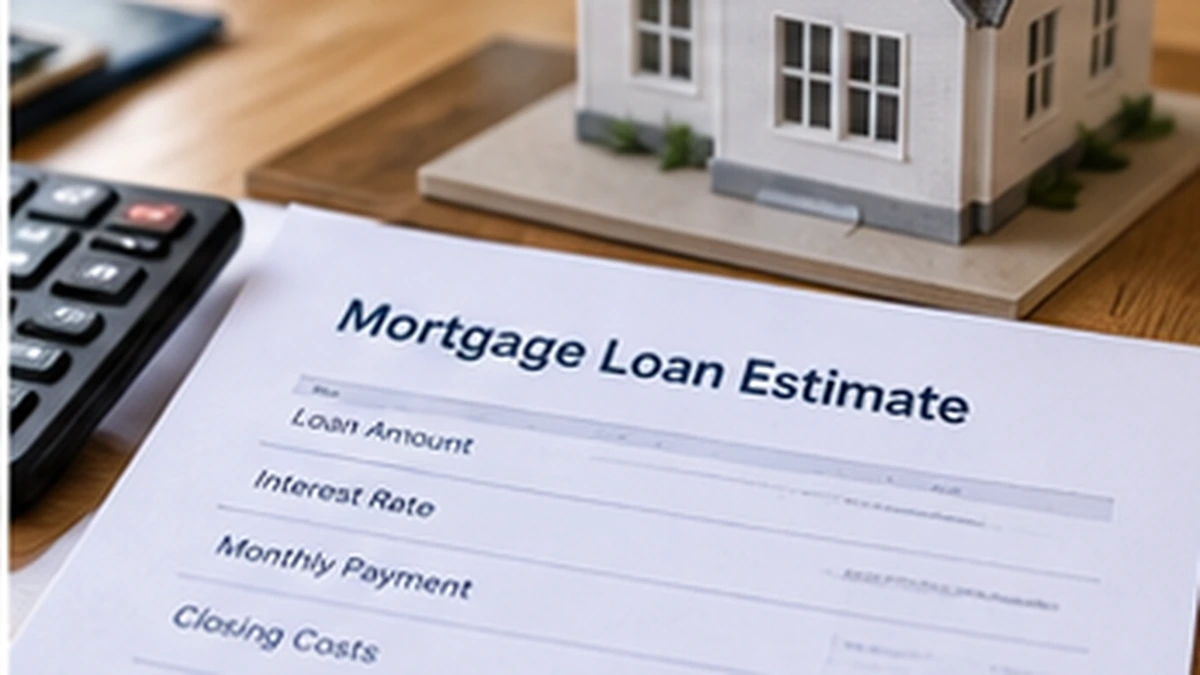
    Mortgage Loan Estimate: How to Compare Home Loan Offers

    Mortgage loan estimate is easier to understand when borrowing is treated as a future payment obligation rather than as free access to money. Every loan creates a cost, a schedule, and a set of consequences if payments become difficult. This guide explains mortgage loan estimate in practical consumer language.

    Some examples and sources are U.S.-focused because they use CFPB, FTC, or Federal Student Aid guidance. Borrowers in other countries should verify local lending rules, disclosures, licensing, collection rights, and consumer protections with the appropriate regulator before making a decision. Review checkpoint 1 for mortgage loan estimate.

    Mortgage loan estimate is a standardized U.S. disclosure

    In the United States, the Loan Estimate helps borrowers compare important mortgage terms, projected payments, and closing costs. Other countries use different mortgage disclosures.

    For mortgage loan estimate, apply this point to a real offer or current borrowing need. Write down the exact number, term, lender statement, or budget effect involved. This makes the decision easier to compare and prevents a general rule from replacing the actual contract. Review checkpoint 8 for mortgage loan estimate.

    Check the loan amount and rate structure

    Review the amount borrowed, interest rate, and whether the rate is fixed or adjustable. Also check for balloon payments, prepayment penalties, or other features.

    For mortgage loan estimate, apply this point to a real offer or current borrowing need. Write down the exact number, term, lender statement, or budget effect involved. This makes the decision easier to compare and prevents a general rule from replacing the actual contract. Review checkpoint 9 for mortgage loan estimate.

    Review projected monthly payment

    The payment can include principal and interest, mortgage insurance, estimated escrow, and other items. Housing cost can be much higher than principal and interest alone.

    For mortgage loan estimate, apply this point to a real offer or current borrowing need. Write down the exact number, term, lender statement, or budget effect involved. This makes the decision easier to compare and prevents a general rule from replacing the actual contract. Review checkpoint 10 for mortgage loan estimate.

    Compare closing costs

    Lender charges, appraisal, title services, prepaid interest, taxes, and escrow can create a large cash requirement. Compare the structure rather than only the interest rate.

    For mortgage loan estimate, apply this point to a real offer or current borrowing need. Write down the exact number, term, lender statement, or budget effect involved. This makes the decision easier to compare and prevents a general rule from replacing the actual contract. Review checkpoint 11 for mortgage loan estimate.

    Use APR as one comparison measure

    Mortgage APR includes the interest rate plus certain additional charges. It is useful, but should be considered together with points, lender credits, cash to close, and rate type.

    For mortgage loan estimate, apply this point to a real offer or current borrowing need. Write down the exact number, term, lender statement, or budget effect involved. This makes the decision easier to compare and prevents a general rule from replacing the actual contract. Review checkpoint 12 for mortgage loan estimate.

    Understand points and lender credits

    Paying points can reduce the rate, while lender credits can reduce upfront cost in exchange for a higher rate. The better choice depends on how long the borrower expects to keep the loan.

    For mortgage loan estimate, apply this point to a real offer or current borrowing need. Write down the exact number, term, lender statement, or budget effect involved. This makes the decision easier to compare and prevents a general rule from replacing the actual contract. Review checkpoint 13 for mortgage loan estimate.

    Compare equivalent Loan Estimates

    Use the same loan amount, down payment, property assumptions, rate type, and similar lock period so the offers are actually comparable.

    For mortgage loan estimate, apply this point to a real offer or current borrowing need. Write down the exact number, term, lender statement, or budget effect involved. This makes the decision easier to compare and prevents a general rule from replacing the actual contract. Review checkpoint 14 for mortgage loan estimate.

    Review taxes and insurance

    Property taxes and homeowners insurance can be escrowed into the payment or paid separately. They belong in the affordability calculation either way.

    For mortgage loan estimate, apply this point to a real offer or current borrowing need. Write down the exact number, term, lender statement, or budget effect involved. This makes the decision easier to compare and prevents a general rule from replacing the actual contract. Review checkpoint 15 for mortgage loan estimate.

    Adjustable-rate loans need a future-payment review

    Check the index, margin, adjustment dates, and caps. A low starting rate does not show the highest possible future payment.

    For mortgage loan estimate, apply this point to a real offer or current borrowing need. Write down the exact number, term, lender statement, or budget effect involved. This makes the decision easier to compare and prevents a general rule from replacing the actual contract. Review checkpoint 16 for mortgage loan estimate.

    Compare the Closing Disclosure before closing

    Review final costs and terms against the earlier Loan Estimate. Ask about changes you do not understand before signing.

    For mortgage loan estimate, apply this point to a real offer or current borrowing need. Write down the exact number, term, lender statement, or budget effect involved. This makes the decision easier to compare and prevents a general rule from replacing the actual contract. Review checkpoint 17 for mortgage loan estimate.

    A deeper affordability check for mortgage loan estimate

    Before accepting the loan, calculate the cash received, monthly payment, total payments, APR, fees, and amount still available for essential expenses after the payment. Then model one difficult month with lower income or an unexpected expense. A borrowing plan that fails after one ordinary setback may be too aggressive even if the lender approves it. Review checkpoint 2 for mortgage loan estimate.

    Also compare the loan with the option of borrowing less, delaying the purchase, choosing a cheaper asset, negotiating a payment plan, or using another legitimate source of funds. The purpose is not to avoid all borrowing; it is to make sure mortgage loan estimate solves the original problem without creating a larger one.

    A realistic borrowing example

    A borrower sees an offer with a monthly payment that appears manageable. After reviewing the APR, fees, term, total payments, and one month of reduced income, the borrower discovers that a smaller amount or shorter list of financed add-ons creates a more resilient budget. The example shows why mortgage loan estimate should be evaluated with both the written loan terms and the household budget.

    Connect this guide to the rest of the loan site

    Read interest rate and APR for a related borrowing concept, and use debt-to-income ratio when the second topic helps you evaluate cost, risk, repayment, or lender safety.

    These two internal links connect the first Loan batch so readers can move between loan types, costs, affordability, repayment, and safety without creating isolated articles.

    A seven-day review plan for mortgage loan estimate

    Day 1: define the exact borrowing need and amount. Day 2: collect the written loan terms or disclosure. Day 3: compare APR, fees, payment, and term. Day 4: add the payment to the real monthly budget. Day 5: verify collateral or lender safety where relevant. Day 6: model one income or expense shock. Day 7: decide whether to borrow, reduce the amount, compare another lender, or wait. Review checkpoint 3 for mortgage loan estimate.

    The seven-day structure is only a review framework. A simple low-risk loan may take less time, while a mortgage, student loan, or high-cost short-term loan can justify much deeper review and professional advice.

    Practical checklist

    • Purpose of mortgage loan estimate identified
    • Principal and cash received confirmed
    • Interest rate and APR compared correctly
    • Fees and optional add-ons reviewed
    • Payment and term tested in the monthly budget
    • Collateral risk understood where applicable
    • Lender or servicer verified when needed
    • Plan for difficult payments considered before borrowing

    Use the checklist to identify the weakest part of your understanding of mortgage loan estimate. One unresolved fee, collateral term, or repayment assumption can matter more than several features you already understand.

    Frequently Asked Questions

    Is a lower monthly payment always better?

    No. A lower payment can result from a longer term, which may increase total interest and keep the debt active longer. Compare both payment and total cost.

    Should I focus on interest rate or APR?

    Both matter. Interest rate is the charge for borrowing, while APR is a broader comparison measure that can include certain fees. Compare like with like across offers.

    Does loan approval mean the loan is affordable?

    No. Approval is a lender decision. Affordability depends on the household budget, income stability, essential expenses, savings, and the amount of risk the borrower can carry.

    Where should I verify local lending rules?

    Use the government or financial regulator responsible for lending in your jurisdiction. U.S. sources such as CFPB, FTC, and Federal Student Aid do not replace local rules elsewhere.

    Practical review 1 for mortgage loan estimate

    Take one real disclosure or payment estimate and explain it in plain language. Identify what you receive today, what you must repay, how long repayment lasts, which fees are charged, and what event would create the greatest financial stress. This review makes mortgage loan estimate easier to evaluate without relying on advertising language. Review checkpoint 18 for mortgage loan estimate.

    Then compare the same decision with a smaller loan, a shorter term, or another legitimate lender. Write one reason to accept the offer and one reason to decline it. If the reasons are still vague, gather more information before signing. Review checkpoint 4 for mortgage loan estimate.

    Practical review 2 for mortgage loan estimate

    Take one real disclosure or payment estimate and explain it in plain language. Identify what you receive today, what you must repay, how long repayment lasts, which fees are charged, and what event would create the greatest financial stress. This review makes mortgage loan estimate easier to evaluate without relying on advertising language. Review checkpoint 19 for mortgage loan estimate.

    Then compare the same decision with a smaller loan, a shorter term, or another legitimate lender. Write one reason to accept the offer and one reason to decline it. If the reasons are still vague, gather more information before signing. Review checkpoint 5 for mortgage loan estimate.

    Practical review 3 for mortgage loan estimate

    Take one real disclosure or payment estimate and explain it in plain language. Identify what you receive today, what you must repay, how long repayment lasts, which fees are charged, and what event would create the greatest financial stress. This review makes mortgage loan estimate easier to evaluate without relying on advertising language. Review checkpoint 20 for mortgage loan estimate.

    Then compare the same decision with a smaller loan, a shorter term, or another legitimate lender. Write one reason to accept the offer and one reason to decline it. If the reasons are still vague, gather more information before signing. Review checkpoint 6 for mortgage loan estimate.

    Practical review 4 for mortgage loan estimate

    Take one real disclosure or payment estimate and explain it in plain language. Identify what you receive today, what you must repay, how long repayment lasts, which fees are charged, and what event would create the greatest financial stress. This review makes mortgage loan estimate easier to evaluate without relying on advertising language. Review checkpoint 21 for mortgage loan estimate.

    Then compare the same decision with a smaller loan, a shorter term, or another legitimate lender. Write one reason to accept the offer and one reason to decline it. If the reasons are still vague, gather more information before signing. Review checkpoint 7 for mortgage loan estimate.

    Authoritative resource to review

    For an authoritative reference related to this topic, review Consumer Financial Protection Bureau – Loan Estimate and Closing Disclosure. Use the source for the core concept, then verify the exact lender terms and local consumer rules before borrowing.

    Final perspective

    Mortgage loan estimate is not only about getting approved. A strong borrowing decision is one where the cost is understood, the payment fits the budget, the lender is legitimate, the risks are visible, and there is a realistic plan for repayment when the month does not go perfectly.
  • Student Loan Repayment: How to Review Your Options Before Payments Begin

    Student Loan Repayment: How to Review Your Options Before Payments Begin

    Student loan repayment is easier to understand when borrowing is treated as a future payment obligation rather than as free access to money. Every loan creates a cost, a schedule, and a set of consequences if payments become difficult. This guide explains student loan repayment in practical consumer language.

    Some examples and sources are U.S.-focused because they use CFPB, FTC, or Federal Student Aid guidance. Borrowers in other countries should verify local lending rules, disclosures, licensing, collection rights, and consumer protections with the appropriate regulator before making a decision. Review checkpoint 1 for student loan repayment.

    Student loan repayment starts with identifying the loan type

    This article focuses on U.S. federal student loans. Log in to StudentAid.gov or use the appropriate servicer so you know the loan type, balance, rate, and available options.

    For student loan repayment, apply this point to a real offer or current borrowing need. Write down the exact number, term, lender statement, or budget effect involved. This makes the decision easier to compare and prevents a general rule from replacing the actual contract. Review checkpoint 8 for student loan repayment.

    Know when repayment begins

    Federal Student Aid explains that many Direct Subsidized and Direct Unsubsidized Loans have a six-month grace period after graduation, leaving school, or dropping below half-time enrollment.

    For student loan repayment, apply this point to a real offer or current borrowing need. Write down the exact number, term, lender statement, or budget effect involved. This makes the decision easier to compare and prevents a general rule from replacing the actual contract. Review checkpoint 9 for student loan repayment.

    Compare current repayment plans using official tools

    Eligibility can depend on loan type and when the loan was disbursed. Use current StudentAid.gov tools because repayment programs can change.

    For student loan repayment, apply this point to a real offer or current borrowing need. Write down the exact number, term, lender statement, or budget effect involved. This makes the decision easier to compare and prevents a general rule from replacing the actual contract. Review checkpoint 10 for student loan repayment.

    Compare monthly payment and total paid

    A lower payment can improve current cash flow but extend repayment and increase total interest. Review both monthly amount and long-term cost.

    For student loan repayment, apply this point to a real offer or current borrowing need. Write down the exact number, term, lender statement, or budget effect involved. This makes the decision easier to compare and prevents a general rule from replacing the actual contract. Review checkpoint 11 for student loan repayment.

    Understand consolidation before using it

    Federal consolidation can change the loan structure and available repayment options. Review current official guidance before consolidating.

    For student loan repayment, apply this point to a real offer or current borrowing need. Write down the exact number, term, lender statement, or budget effect involved. This makes the decision easier to compare and prevents a general rule from replacing the actual contract. Review checkpoint 12 for student loan repayment.

    Keep contact information current

    Important billing and repayment notices can be missed when email, address, or phone details are outdated.

    For student loan repayment, apply this point to a real offer or current borrowing need. Write down the exact number, term, lender statement, or budget effect involved. This makes the decision easier to compare and prevents a general rule from replacing the actual contract. Review checkpoint 13 for student loan repayment.

    Use autopay carefully

    Automatic payment can reduce missed-payment risk, but verify the servicer, amount, due date, and bank information before relying on it.

    For student loan repayment, apply this point to a real offer or current borrowing need. Write down the exact number, term, lender statement, or budget effect involved. This makes the decision easier to compare and prevents a general rule from replacing the actual contract. Review checkpoint 14 for student loan repayment.

    Contact the servicer early if payment becomes difficult

    Federal Student Aid recommends exploring eligible repayment options and contacting the servicer rather than ignoring the bill.

    For student loan repayment, apply this point to a real offer or current borrowing need. Write down the exact number, term, lender statement, or budget effect involved. This makes the decision easier to compare and prevents a general rule from replacing the actual contract. Review checkpoint 15 for student loan repayment.

    Be cautious with paid debt-relief companies

    Federal repayment information and application processes are available through official sources. Be skeptical of companies implying a fee is required just to access federal options.

    For student loan repayment, apply this point to a real offer or current borrowing need. Write down the exact number, term, lender statement, or budget effect involved. This makes the decision easier to compare and prevents a general rule from replacing the actual contract. Review checkpoint 16 for student loan repayment.

    Review the plan after major life changes

    Income, marriage, family size, public-service employment, consolidation, and policy changes can affect which repayment approach fits.

    For student loan repayment, apply this point to a real offer or current borrowing need. Write down the exact number, term, lender statement, or budget effect involved. This makes the decision easier to compare and prevents a general rule from replacing the actual contract. Review checkpoint 17 for student loan repayment.

    A deeper affordability check for student loan repayment

    Before accepting the loan, calculate the cash received, monthly payment, total payments, APR, fees, and amount still available for essential expenses after the payment. Then model one difficult month with lower income or an unexpected expense. A borrowing plan that fails after one ordinary setback may be too aggressive even if the lender approves it. Review checkpoint 2 for student loan repayment.

    Also compare the loan with the option of borrowing less, delaying the purchase, choosing a cheaper asset, negotiating a payment plan, or using another legitimate source of funds. The purpose is not to avoid all borrowing; it is to make sure student loan repayment solves the original problem without creating a larger one.

    A realistic borrowing example

    A borrower sees an offer with a monthly payment that appears manageable. After reviewing the APR, fees, term, total payments, and one month of reduced income, the borrower discovers that a smaller amount or shorter list of financed add-ons creates a more resilient budget. The example shows why student loan repayment should be evaluated with both the written loan terms and the household budget.

    Connect this guide to the rest of the loan site

    Read loan repayment planning for a related borrowing concept, and use debt-to-income ratio when the second topic helps you evaluate cost, risk, repayment, or lender safety.

    These two internal links connect the first Loan batch so readers can move between loan types, costs, affordability, repayment, and safety without creating isolated articles.

    A seven-day review plan for student loan repayment

    Day 1: define the exact borrowing need and amount. Day 2: collect the written loan terms or disclosure. Day 3: compare APR, fees, payment, and term. Day 4: add the payment to the real monthly budget. Day 5: verify collateral or lender safety where relevant. Day 6: model one income or expense shock. Day 7: decide whether to borrow, reduce the amount, compare another lender, or wait. Review checkpoint 3 for student loan repayment.

    The seven-day structure is only a review framework. A simple low-risk loan may take less time, while a mortgage, student loan, or high-cost short-term loan can justify much deeper review and professional advice.

    Practical checklist

    • Purpose of student loan repayment identified
    • Principal and cash received confirmed
    • Interest rate and APR compared correctly
    • Fees and optional add-ons reviewed
    • Payment and term tested in the monthly budget
    • Collateral risk understood where applicable
    • Lender or servicer verified when needed
    • Plan for difficult payments considered before borrowing

    Use the checklist to identify the weakest part of your understanding of student loan repayment. One unresolved fee, collateral term, or repayment assumption can matter more than several features you already understand.

    Frequently Asked Questions

    Is a lower monthly payment always better?

    No. A lower payment can result from a longer term, which may increase total interest and keep the debt active longer. Compare both payment and total cost.

    Should I focus on interest rate or APR?

    Both matter. Interest rate is the charge for borrowing, while APR is a broader comparison measure that can include certain fees. Compare like with like across offers.

    Does loan approval mean the loan is affordable?

    No. Approval is a lender decision. Affordability depends on the household budget, income stability, essential expenses, savings, and the amount of risk the borrower can carry.

    Where should I verify local lending rules?

    Use the government or financial regulator responsible for lending in your jurisdiction. U.S. sources such as CFPB, FTC, and Federal Student Aid do not replace local rules elsewhere.

    Practical review 1 for student loan repayment

    Take one real disclosure or payment estimate and explain it in plain language. Identify what you receive today, what you must repay, how long repayment lasts, which fees are charged, and what event would create the greatest financial stress. This review makes student loan repayment easier to evaluate without relying on advertising language. Review checkpoint 18 for student loan repayment.

    Then compare the same decision with a smaller loan, a shorter term, or another legitimate lender. Write one reason to accept the offer and one reason to decline it. If the reasons are still vague, gather more information before signing. Review checkpoint 4 for student loan repayment.

    Practical review 2 for student loan repayment

    Take one real disclosure or payment estimate and explain it in plain language. Identify what you receive today, what you must repay, how long repayment lasts, which fees are charged, and what event would create the greatest financial stress. This review makes student loan repayment easier to evaluate without relying on advertising language. Review checkpoint 19 for student loan repayment.

    Then compare the same decision with a smaller loan, a shorter term, or another legitimate lender. Write one reason to accept the offer and one reason to decline it. If the reasons are still vague, gather more information before signing. Review checkpoint 5 for student loan repayment.

    Practical review 3 for student loan repayment

    Take one real disclosure or payment estimate and explain it in plain language. Identify what you receive today, what you must repay, how long repayment lasts, which fees are charged, and what event would create the greatest financial stress. This review makes student loan repayment easier to evaluate without relying on advertising language. Review checkpoint 20 for student loan repayment.

    Then compare the same decision with a smaller loan, a shorter term, or another legitimate lender. Write one reason to accept the offer and one reason to decline it. If the reasons are still vague, gather more information before signing. Review checkpoint 6 for student loan repayment.

    Practical review 4 for student loan repayment

    Take one real disclosure or payment estimate and explain it in plain language. Identify what you receive today, what you must repay, how long repayment lasts, which fees are charged, and what event would create the greatest financial stress. This review makes student loan repayment easier to evaluate without relying on advertising language. Review checkpoint 21 for student loan repayment.

    Then compare the same decision with a smaller loan, a shorter term, or another legitimate lender. Write one reason to accept the offer and one reason to decline it. If the reasons are still vague, gather more information before signing. Review checkpoint 7 for student loan repayment.

    Authoritative resource to review

    For an authoritative reference related to this topic, review Federal Student Aid – Prepare for Student Loan Payments. Use the source for the core concept, then verify the exact lender terms and local consumer rules before borrowing.

    Final perspective

    Student loan repayment is not only about getting approved. A strong borrowing decision is one where the cost is understood, the payment fits the budget, the lender is legitimate, the risks are visible, and there is a realistic plan for repayment when the month does not go perfectly.
  • Debt-to-Income Ratio: How to Calculate It Before Borrowing

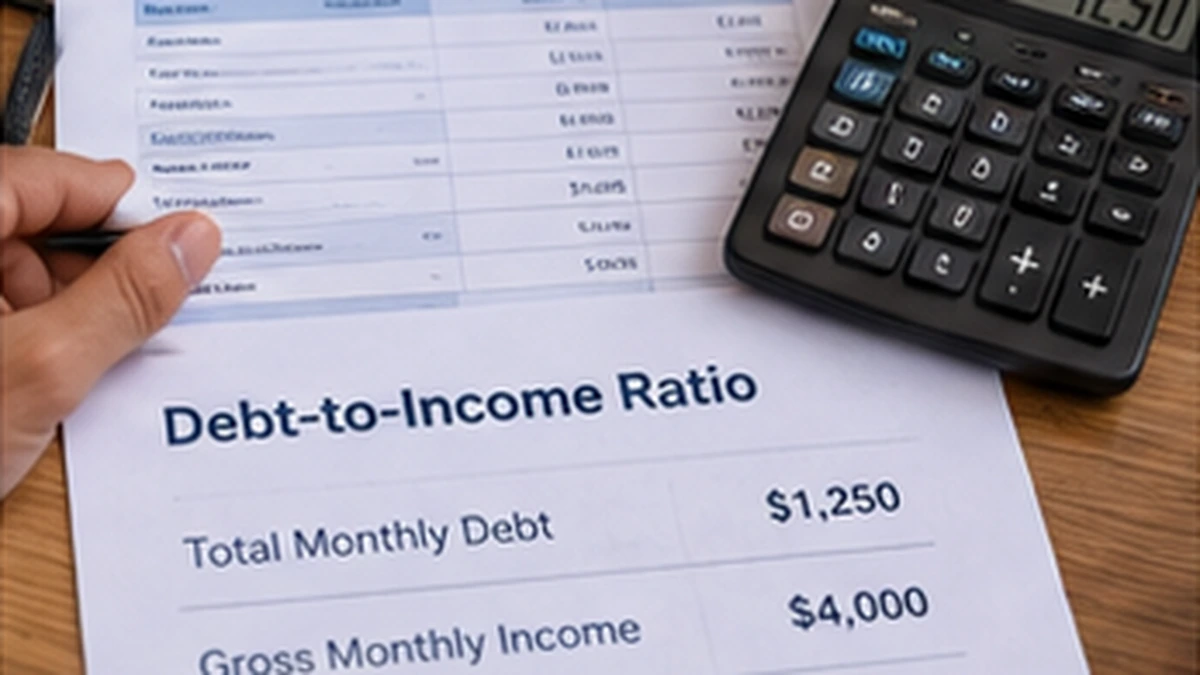
    Debt-to-Income Ratio: How to Calculate It Before Borrowing

    Debt-to-income ratio is easier to understand when borrowing is treated as a future payment obligation rather than as free access to money. Every loan creates a cost, a schedule, and a set of consequences if payments become difficult. This guide explains debt-to-income ratio in practical consumer language.

    Some examples and sources are U.S.-focused because they use CFPB, FTC, or Federal Student Aid guidance. Borrowers in other countries should verify local lending rules, disclosures, licensing, collection rights, and consumer protections with the appropriate regulator before making a decision. Review checkpoint 1 for debt-to-income ratio.

    Debt-to-income ratio compares debt payments with gross income

    The CFPB defines DTI as total monthly debt payments divided by gross monthly income. Lenders can use it as one measure of ability to manage additional debt.

    For debt-to-income ratio, apply this point to a real offer or current borrowing need. Write down the exact number, term, lender statement, or budget effect involved. This makes the decision easier to compare and prevents a general rule from replacing the actual contract. Review checkpoint 8 for debt-to-income ratio.

    Add the monthly debt payments used in the calculation

    Include recurring required debt payments according to the lender’s method, such as mortgages, auto loans, student loans, and credit-card minimums.

    For debt-to-income ratio, apply this point to a real offer or current borrowing need. Write down the exact number, term, lender statement, or budget effect involved. This makes the decision easier to compare and prevents a general rule from replacing the actual contract. Review checkpoint 9 for debt-to-income ratio.

    Use gross monthly income for the standard formula

    Gross income generally means income before taxes and deductions. Lenders can have specific documentation rules for irregular or self-employment income.

    For debt-to-income ratio, apply this point to a real offer or current borrowing need. Write down the exact number, term, lender statement, or budget effect involved. This makes the decision easier to compare and prevents a general rule from replacing the actual contract. Review checkpoint 10 for debt-to-income ratio.

    Convert the calculation to a percentage

    Divide monthly debt payments by gross monthly income and multiply by 100. For example, $2,000 divided by $6,000 is about 33 percent.

    For debt-to-income ratio, apply this point to a real offer or current borrowing need. Write down the exact number, term, lender statement, or budget effect involved. This makes the decision easier to compare and prevents a general rule from replacing the actual contract. Review checkpoint 11 for debt-to-income ratio.

    Different products use different DTI limits

    The CFPB notes there is no one universal DTI threshold that guarantees approval across lenders and products.

    For debt-to-income ratio, apply this point to a real offer or current borrowing need. Write down the exact number, term, lender statement, or budget effect involved. This makes the decision easier to compare and prevents a general rule from replacing the actual contract. Review checkpoint 12 for debt-to-income ratio.

    DTI does not include every household expense

    Food, utilities, childcare, medical costs, insurance, transport, and savings can affect affordability even when they are not counted as debt.

    For debt-to-income ratio, apply this point to a real offer or current borrowing need. Write down the exact number, term, lender statement, or budget effect involved. This makes the decision easier to compare and prevents a general rule from replacing the actual contract. Review checkpoint 13 for debt-to-income ratio.

    Approval and affordability are different questions

    A borrower can meet a lender’s DTI standard while still feeling financially stretched because the household has large non-debt expenses.

    For debt-to-income ratio, apply this point to a real offer or current borrowing need. Write down the exact number, term, lender statement, or budget effect involved. This makes the decision easier to compare and prevents a general rule from replacing the actual contract. Review checkpoint 14 for debt-to-income ratio.

    New debt changes the ratio

    An additional auto, personal, mortgage, or student-loan payment raises monthly debt obligations. Model the new payment before applying.

    For debt-to-income ratio, apply this point to a real offer or current borrowing need. Write down the exact number, term, lender statement, or budget effect involved. This makes the decision easier to compare and prevents a general rule from replacing the actual contract. Review checkpoint 15 for debt-to-income ratio.

    Paying off debt can improve the ratio

    Eliminating a recurring debt payment can lower DTI even when gross income stays the same.

    For debt-to-income ratio, apply this point to a real offer or current borrowing need. Write down the exact number, term, lender statement, or budget effect involved. This makes the decision easier to compare and prevents a general rule from replacing the actual contract. Review checkpoint 16 for debt-to-income ratio.

    Lenders may calculate DTI differently

    Mortgage underwriting and other loan products can use different versions or internal rules. Ask what debts and income are included.

    For debt-to-income ratio, apply this point to a real offer or current borrowing need. Write down the exact number, term, lender statement, or budget effect involved. This makes the decision easier to compare and prevents a general rule from replacing the actual contract. Review checkpoint 17 for debt-to-income ratio.

    A deeper affordability check for debt-to-income ratio

    Before accepting the loan, calculate the cash received, monthly payment, total payments, APR, fees, and amount still available for essential expenses after the payment. Then model one difficult month with lower income or an unexpected expense. A borrowing plan that fails after one ordinary setback may be too aggressive even if the lender approves it. Review checkpoint 2 for debt-to-income ratio.

    Also compare the loan with the option of borrowing less, delaying the purchase, choosing a cheaper asset, negotiating a payment plan, or using another legitimate source of funds. The purpose is not to avoid all borrowing; it is to make sure debt-to-income ratio solves the original problem without creating a larger one.

    A realistic borrowing example

    A borrower sees an offer with a monthly payment that appears manageable. After reviewing the APR, fees, term, total payments, and one month of reduced income, the borrower discovers that a smaller amount or shorter list of financed add-ons creates a more resilient budget. The example shows why debt-to-income ratio should be evaluated with both the written loan terms and the household budget.

    Connect this guide to the rest of the loan site

    Read loan payment basics for a related borrowing concept, and use loan repayment planning when the second topic helps you evaluate cost, risk, repayment, or lender safety.

    These two internal links connect the first Loan batch so readers can move between loan types, costs, affordability, repayment, and safety without creating isolated articles.

    A seven-day review plan for debt-to-income ratio

    Day 1: define the exact borrowing need and amount. Day 2: collect the written loan terms or disclosure. Day 3: compare APR, fees, payment, and term. Day 4: add the payment to the real monthly budget. Day 5: verify collateral or lender safety where relevant. Day 6: model one income or expense shock. Day 7: decide whether to borrow, reduce the amount, compare another lender, or wait. Review checkpoint 3 for debt-to-income ratio.

    The seven-day structure is only a review framework. A simple low-risk loan may take less time, while a mortgage, student loan, or high-cost short-term loan can justify much deeper review and professional advice.

    Practical checklist

    • Purpose of debt-to-income ratio identified
    • Principal and cash received confirmed
    • Interest rate and APR compared correctly
    • Fees and optional add-ons reviewed
    • Payment and term tested in the monthly budget
    • Collateral risk understood where applicable
    • Lender or servicer verified when needed
    • Plan for difficult payments considered before borrowing

    Use the checklist to identify the weakest part of your understanding of debt-to-income ratio. One unresolved fee, collateral term, or repayment assumption can matter more than several features you already understand.

    Frequently Asked Questions

    Is a lower monthly payment always better?

    No. A lower payment can result from a longer term, which may increase total interest and keep the debt active longer. Compare both payment and total cost.

    Should I focus on interest rate or APR?

    Both matter. Interest rate is the charge for borrowing, while APR is a broader comparison measure that can include certain fees. Compare like with like across offers.

    Does loan approval mean the loan is affordable?

    No. Approval is a lender decision. Affordability depends on the household budget, income stability, essential expenses, savings, and the amount of risk the borrower can carry.

    Where should I verify local lending rules?

    Use the government or financial regulator responsible for lending in your jurisdiction. U.S. sources such as CFPB, FTC, and Federal Student Aid do not replace local rules elsewhere.

    Practical review 1 for debt-to-income ratio

    Take one real disclosure or payment estimate and explain it in plain language. Identify what you receive today, what you must repay, how long repayment lasts, which fees are charged, and what event would create the greatest financial stress. This review makes debt-to-income ratio easier to evaluate without relying on advertising language. Review checkpoint 18 for debt-to-income ratio.

    Then compare the same decision with a smaller loan, a shorter term, or another legitimate lender. Write one reason to accept the offer and one reason to decline it. If the reasons are still vague, gather more information before signing. Review checkpoint 4 for debt-to-income ratio.

    Practical review 2 for debt-to-income ratio

    Take one real disclosure or payment estimate and explain it in plain language. Identify what you receive today, what you must repay, how long repayment lasts, which fees are charged, and what event would create the greatest financial stress. This review makes debt-to-income ratio easier to evaluate without relying on advertising language. Review checkpoint 19 for debt-to-income ratio.

    Then compare the same decision with a smaller loan, a shorter term, or another legitimate lender. Write one reason to accept the offer and one reason to decline it. If the reasons are still vague, gather more information before signing. Review checkpoint 5 for debt-to-income ratio.

    Practical review 3 for debt-to-income ratio

    Take one real disclosure or payment estimate and explain it in plain language. Identify what you receive today, what you must repay, how long repayment lasts, which fees are charged, and what event would create the greatest financial stress. This review makes debt-to-income ratio easier to evaluate without relying on advertising language. Review checkpoint 20 for debt-to-income ratio.

    Then compare the same decision with a smaller loan, a shorter term, or another legitimate lender. Write one reason to accept the offer and one reason to decline it. If the reasons are still vague, gather more information before signing. Review checkpoint 6 for debt-to-income ratio.

    Practical review 4 for debt-to-income ratio

    Take one real disclosure or payment estimate and explain it in plain language. Identify what you receive today, what you must repay, how long repayment lasts, which fees are charged, and what event would create the greatest financial stress. This review makes debt-to-income ratio easier to evaluate without relying on advertising language. Review checkpoint 21 for debt-to-income ratio.

    Then compare the same decision with a smaller loan, a shorter term, or another legitimate lender. Write one reason to accept the offer and one reason to decline it. If the reasons are still vague, gather more information before signing. Review checkpoint 7 for debt-to-income ratio.

    Authoritative resource to review

    For an authoritative reference related to this topic, review Consumer Financial Protection Bureau – Debt-to-Income Ratio. Use the source for the core concept, then verify the exact lender terms and local consumer rules before borrowing.

    Final perspective

    Debt-to-income ratio is not only about getting approved. A strong borrowing decision is one where the cost is understood, the payment fits the budget, the lender is legitimate, the risks are visible, and there is a realistic plan for repayment when the month does not go perfectly.

  • Payday Loan Costs and Risks: What to Check Before Borrowing

    Payday Loan Costs and Risks: What to Check Before Borrowing

    Payday loan costs and risks is easier to understand when borrowing is treated as a future payment obligation rather than as free access to money. Every loan creates a cost, a schedule, and a set of consequences if payments become difficult. This guide explains payday loan costs and risks in practical consumer language.

    Some examples and sources are U.S.-focused because they use CFPB, FTC, or Federal Student Aid guidance. Borrowers in other countries should verify local lending rules, disclosures, licensing, collection rights, and consumer protections with the appropriate regulator before making a decision. Review checkpoint 1 for payday loan costs and risks.

    Payday loan costs and risks begin with the short term

    Payday loans are usually short-term products. A fee that looks small in dollars can translate into a very high annualized cost because repayment is due quickly.

    For payday loan costs and risks, apply this point to a real offer or current borrowing need. Write down the exact number, term, lender statement, or budget effect involved. This makes the decision easier to compare and prevents a general rule from replacing the actual contract. Review checkpoint 7 for payday loan costs and risks.

    Use APR to compare cost

    The CFPB recommends using APR to compare payday loans with other forms of credit because APR reflects the finance charge relative to the amount and term.

    For payday loan costs and risks, apply this point to a real offer or current borrowing need. Write down the exact number, term, lender statement, or budget effect involved. This makes the decision easier to compare and prevents a general rule from replacing the actual contract. Review checkpoint 8 for payday loan costs and risks.

    Read every disclosed fee

    Processing, finance, late, returned-payment, and rollover fees can increase the amount owed. The written disclosure matters more than the advertised cash amount.

    For payday loan costs and risks, apply this point to a real offer or current borrowing need. Write down the exact number, term, lender statement, or budget effect involved. This makes the decision easier to compare and prevents a general rule from replacing the actual contract. Review checkpoint 9 for payday loan costs and risks.

    Understand account-access authorization

    Many payday lenders request access to a bank or prepaid account for repayment. Insufficient funds can trigger lender and bank fees.

    For payday loan costs and risks, apply this point to a real offer or current borrowing need. Write down the exact number, term, lender statement, or budget effect involved. This makes the decision easier to compare and prevents a general rule from replacing the actual contract. Review checkpoint 10 for payday loan costs and risks.

    Rollovers can extend debt

    Renewing or rolling over a payday loan can add fees without meaningfully reducing the principal. Local law may restrict or regulate rollovers.

    For payday loan costs and risks, apply this point to a real offer or current borrowing need. Write down the exact number, term, lender statement, or budget effect involved. This makes the decision easier to compare and prevents a general rule from replacing the actual contract. Review checkpoint 11 for payday loan costs and risks.

    Payday loans are generally unsecured

    The borrower normally does not pledge traditional collateral, but the debt remains enforceable and collection or legal action may follow nonpayment.

    For payday loan costs and risks, apply this point to a real offer or current borrowing need. Write down the exact number, term, lender statement, or budget effect involved. This makes the decision easier to compare and prevents a general rule from replacing the actual contract. Review checkpoint 12 for payday loan costs and risks.

    Compare alternatives before accepting

    Ask about credit-union small-dollar products, payment plans with creditors, employer options, community assistance, or other legitimate alternatives where available.

    For payday loan costs and risks, apply this point to a real offer or current borrowing need. Write down the exact number, term, lender statement, or budget effect involved. This makes the decision easier to compare and prevents a general rule from replacing the actual contract. Review checkpoint 13 for payday loan costs and risks.

    Subtract the full repayment from the next paycheck

    If the remaining income cannot cover rent, food, utilities, transport, and other essentials, the loan may simply move the shortage to the next pay period.

    For payday loan costs and risks, apply this point to a real offer or current borrowing need. Write down the exact number, term, lender statement, or budget effect involved. This makes the decision easier to compare and prevents a general rule from replacing the actual contract. Review checkpoint 14 for payday loan costs and risks.

    Repeated borrowing can create a cycle

    Using a new loan to repay the previous one adds cost while the underlying cash shortfall remains.

    For payday loan costs and risks, apply this point to a real offer or current borrowing need. Write down the exact number, term, lender statement, or budget effect involved. This makes the decision easier to compare and prevents a general rule from replacing the actual contract. Review checkpoint 15 for payday loan costs and risks.

    Know where to get help

    If repayment becomes difficult, contact the lender early and use the regulator, credit counselor, legal aid, or other legitimate local support where appropriate.

    For payday loan costs and risks, apply this point to a real offer or current borrowing need. Write down the exact number, term, lender statement, or budget effect involved. This makes the decision easier to compare and prevents a general rule from replacing the actual contract. Review checkpoint 16 for payday loan costs and risks.

    A deeper affordability check for payday loan costs and risks

    Before accepting the loan, calculate the cash received, monthly payment, total payments, APR, fees, and amount still available for essential expenses after the payment. Then model one difficult month with lower income or an unexpected expense. A borrowing plan that fails after one ordinary setback may be too aggressive even if the lender approves it. Review checkpoint 2 for payday loan costs and risks.

    Also compare the loan with the option of borrowing less, delaying the purchase, choosing a cheaper asset, negotiating a payment plan, or using another legitimate source of funds. The purpose is not to avoid all borrowing; it is to make sure payday loan costs and risks solves the original problem without creating a larger one.

    A realistic borrowing example

    A borrower sees an offer with a monthly payment that appears manageable. After reviewing the APR, fees, term, total payments, and one month of reduced income, the borrower discovers that a smaller amount or shorter list of financed add-ons creates a more resilient budget. The example shows why payday loan costs and risks should be evaluated with both the written loan terms and the household budget.

    Connect this guide to the rest of the loan site

    Read APR and loan costs for a related borrowing concept, and use loan scam warning signs when the second topic helps you evaluate cost, risk, repayment, or lender safety.

    These two internal links connect the first Loan batch so readers can move between loan types, costs, affordability, repayment, and safety without creating isolated articles.

    A seven-day review plan for payday loan costs and risks

    Day 1: define the exact borrowing need and amount. Day 2: collect the written loan terms or disclosure. Day 3: compare APR, fees, payment, and term. Day 4: add the payment to the real monthly budget. Day 5: verify collateral or lender safety where relevant. Day 6: model one income or expense shock. Day 7: decide whether to borrow, reduce the amount, compare another lender, or wait. Review checkpoint 3 for payday loan costs and risks.

    The seven-day structure is only a review framework. A simple low-risk loan may take less time, while a mortgage, student loan, or high-cost short-term loan can justify much deeper review and professional advice.

    Practical checklist

    • Purpose of payday loan costs and risks identified
    • Principal and cash received confirmed
    • Interest rate and APR compared correctly
    • Fees and optional add-ons reviewed
    • Payment and term tested in the monthly budget
    • Collateral risk understood where applicable
    • Lender or servicer verified when needed
    • Plan for difficult payments considered before borrowing

    Use the checklist to identify the weakest part of your understanding of payday loan costs and risks. One unresolved fee, collateral term, or repayment assumption can matter more than several features you already understand.

    Frequently Asked Questions

    Is a lower monthly payment always better?

    No. A lower payment can result from a longer term, which may increase total interest and keep the debt active longer. Compare both payment and total cost.

    Should I focus on interest rate or APR?

    Both matter. Interest rate is the charge for borrowing, while APR is a broader comparison measure that can include certain fees. Compare like with like across offers.

    Does loan approval mean the loan is affordable?

    No. Approval is a lender decision. Affordability depends on the household budget, income stability, essential expenses, savings, and the amount of risk the borrower can carry.

    Where should I verify local lending rules?

    Use the government or financial regulator responsible for lending in your jurisdiction. U.S. sources such as CFPB, FTC, and Federal Student Aid do not replace local rules elsewhere.

    Practical review 1 for payday loan costs and risks

    Take one real disclosure or payment estimate and explain it in plain language. Identify what you receive today, what you must repay, how long repayment lasts, which fees are charged, and what event would create the greatest financial stress. This review makes payday loan costs and risks easier to evaluate without relying on advertising language. Review checkpoint 17 for payday loan costs and risks.

    Then compare the same decision with a smaller loan, a shorter term, or another legitimate lender. Write one reason to accept the offer and one reason to decline it. If the reasons are still vague, gather more information before signing. Review checkpoint 4 for payday loan costs and risks.

    Practical review 2 for payday loan costs and risks

    Take one real disclosure or payment estimate and explain it in plain language. Identify what you receive today, what you must repay, how long repayment lasts, which fees are charged, and what event would create the greatest financial stress. This review makes payday loan costs and risks easier to evaluate without relying on advertising language. Review checkpoint 18 for payday loan costs and risks.

    Then compare the same decision with a smaller loan, a shorter term, or another legitimate lender. Write one reason to accept the offer and one reason to decline it. If the reasons are still vague, gather more information before signing. Review checkpoint 5 for payday loan costs and risks.

    Practical review 3 for payday loan costs and risks

    Take one real disclosure or payment estimate and explain it in plain language. Identify what you receive today, what you must repay, how long repayment lasts, which fees are charged, and what event would create the greatest financial stress. This review makes payday loan costs and risks easier to evaluate without relying on advertising language. Review checkpoint 19 for payday loan costs and risks.

    Then compare the same decision with a smaller loan, a shorter term, or another legitimate lender. Write one reason to accept the offer and one reason to decline it. If the reasons are still vague, gather more information before signing. Review checkpoint 6 for payday loan costs and risks.

    Authoritative resource to review

    For an authoritative reference related to this topic, review Consumer Financial Protection Bureau – Payday Loans. Use the source for the core concept, then verify the exact lender terms and local consumer rules before borrowing.

    Final perspective

    Payday loan costs and risks is not only about getting approved. A strong borrowing decision is one where the cost is understood, the payment fits the budget, the lender is legitimate, the risks are visible, and there is a realistic plan for repayment when the month does not go perfectly.
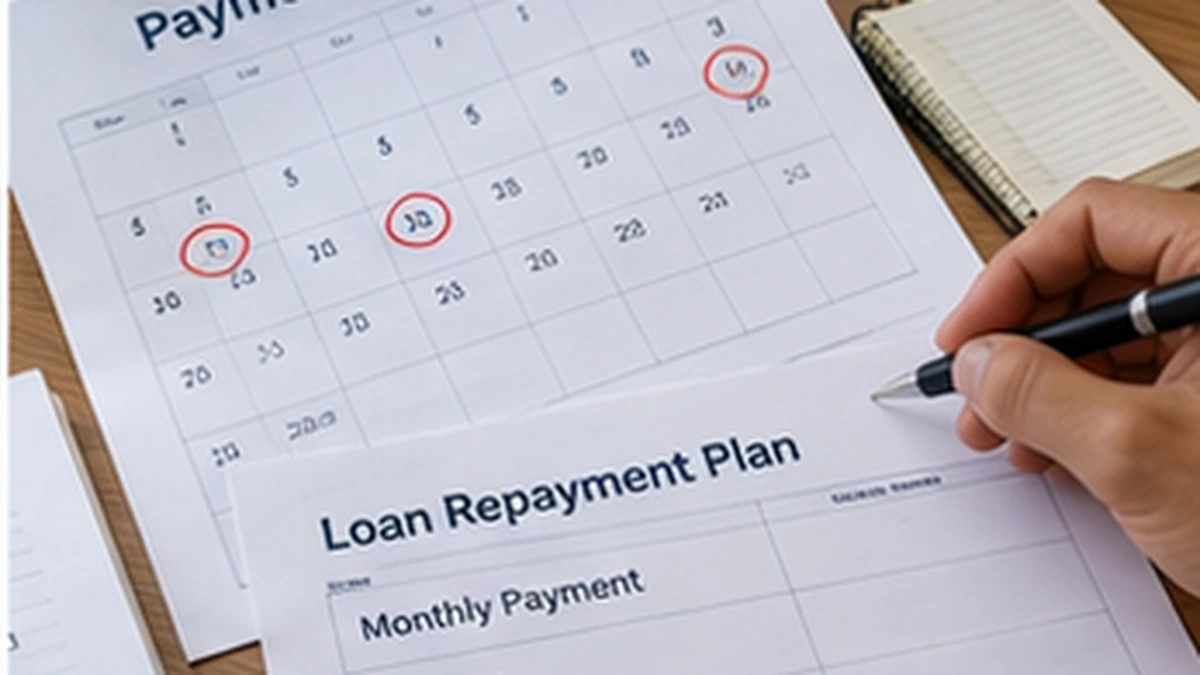
  • Advance-Fee Loan Scams: How to Verify a Lender Before Paying

    Advance-Fee Loan Scams: How to Verify a Lender Before Paying

    Advance-fee loan scams is easier to understand when borrowing is treated as a future payment obligation rather than as free access to money. Every loan creates a cost, a schedule, and a set of consequences if payments become difficult. This guide explains advance-fee loan scams in practical consumer language.

    Some examples and sources are U.S.-focused because they use CFPB, FTC, or Federal Student Aid guidance. Borrowers in other countries should verify local lending rules, disclosures, licensing, collection rights, and consumer protections with the appropriate regulator before making a decision. Review checkpoint 1 for advance-fee loan scams.

    Advance-fee loan scams promise credit before real underwriting

    The FTC warns that scammers may promise a loan or credit regardless of credit history and then demand an upfront payment for processing, insurance, paperwork, or another excuse.

    For advance-fee loan scams, apply this point to a real offer or current borrowing need. Write down the exact number, term, lender statement, or budget effect involved. This makes the decision easier to compare and prevents a general rule from replacing the actual contract. Review checkpoint 8 for advance-fee loan scams.

    Guaranteed approval is a warning sign

    Legitimate lenders evaluate an application before making a firm credit decision. A promise that paying first guarantees approval should be treated as suspicious.

    For advance-fee loan scams, apply this point to a real offer or current borrowing need. Write down the exact number, term, lender statement, or budget effect involved. This makes the decision easier to compare and prevents a general rule from replacing the actual contract. Review checkpoint 9 for advance-fee loan scams.

    Verify the lender independently

    Use the government or financial regulator responsible for lender registration in the jurisdiction. Do not rely only on contact details supplied by the person requesting money.

    For advance-fee loan scams, apply this point to a real offer or current borrowing need. Write down the exact number, term, lender statement, or budget effect involved. This makes the decision easier to compare and prevents a general rule from replacing the actual contract. Review checkpoint 10 for advance-fee loan scams.

    Check the website and identity

    Scammers can copy real company names and logos. Compare the domain, official phone number, physical address, and staff identity with independent sources.

    For advance-fee loan scams, apply this point to a real offer or current borrowing need. Write down the exact number, term, lender statement, or budget effect involved. This makes the decision easier to compare and prevents a general rule from replacing the actual contract. Review checkpoint 11 for advance-fee loan scams.

    Do not send unusual payments to unlock a loan

    Gift cards, cryptocurrency, personal bank accounts, and urgent wire transfers are strong warning signs when described as a condition for releasing approved funds.

    For advance-fee loan scams, apply this point to a real offer or current borrowing need. Write down the exact number, term, lender statement, or budget effect involved. This makes the decision easier to compare and prevents a general rule from replacing the actual contract. Review checkpoint 12 for advance-fee loan scams.

    Understand legitimate fees versus scam fees

    Some real lenders can charge application or appraisal fees, but the FTC warns that paying a fee does not legitimately guarantee a loan.

    For advance-fee loan scams, apply this point to a real offer or current borrowing need. Write down the exact number, term, lender statement, or budget effect involved. This makes the decision easier to compare and prevents a general rule from replacing the actual contract. Review checkpoint 13 for advance-fee loan scams.

    Protect identity information

    Fake loan applications can be used to collect bank details, identity numbers, and document images. Verify the lender before sending sensitive data.

    For advance-fee loan scams, apply this point to a real offer or current borrowing need. Write down the exact number, term, lender statement, or budget effect involved. This makes the decision easier to compare and prevents a general rule from replacing the actual contract. Review checkpoint 14 for advance-fee loan scams.

    Check registration where required

    In the United States, the FTC advises checking the appropriate state attorney general or banking or financial-services regulator. Other countries have their own systems.

    For advance-fee loan scams, apply this point to a real offer or current borrowing need. Write down the exact number, term, lender statement, or budget effect involved. This makes the decision easier to compare and prevents a general rule from replacing the actual contract. Review checkpoint 15 for advance-fee loan scams.

    Preserve evidence if money was already sent

    Save messages, receipts, websites, names, account numbers, and phone numbers, and contact the payment provider quickly.

    For advance-fee loan scams, apply this point to a real offer or current borrowing need. Write down the exact number, term, lender statement, or budget effect involved. This makes the decision easier to compare and prevents a general rule from replacing the actual contract. Review checkpoint 16 for advance-fee loan scams.

    Use a stop-verify-apply routine

    Stop before paying, verify the lender independently, and then apply only through the official channel. Slowing the process down defeats the scammer’s urgency.

    For advance-fee loan scams, apply this point to a real offer or current borrowing need. Write down the exact number, term, lender statement, or budget effect involved. This makes the decision easier to compare and prevents a general rule from replacing the actual contract. Review checkpoint 17 for advance-fee loan scams.

    A deeper affordability check for advance-fee loan scams

    Before accepting the loan, calculate the cash received, monthly payment, total payments, APR, fees, and amount still available for essential expenses after the payment. Then model one difficult month with lower income or an unexpected expense. A borrowing plan that fails after one ordinary setback may be too aggressive even if the lender approves it. Review checkpoint 2 for advance-fee loan scams.

    Also compare the loan with the option of borrowing less, delaying the purchase, choosing a cheaper asset, negotiating a payment plan, or using another legitimate source of funds. The purpose is not to avoid all borrowing; it is to make sure advance-fee loan scams solves the original problem without creating a larger one.

    A realistic borrowing example

    A borrower sees an offer with a monthly payment that appears manageable. After reviewing the APR, fees, term, total payments, and one month of reduced income, the borrower discovers that a smaller amount or shorter list of financed add-ons creates a more resilient budget. The example shows why advance-fee loan scams should be evaluated with both the written loan terms and the household budget.

    Connect this guide to the rest of the loan site

    Read high-cost loan risks for a related borrowing concept, and use personal installment loans when the second topic helps you evaluate cost, risk, repayment, or lender safety.

    These two internal links connect the first Loan batch so readers can move between loan types, costs, affordability, repayment, and safety without creating isolated articles.

    A seven-day review plan for advance-fee loan scams

    Day 1: define the exact borrowing need and amount. Day 2: collect the written loan terms or disclosure. Day 3: compare APR, fees, payment, and term. Day 4: add the payment to the real monthly budget. Day 5: verify collateral or lender safety where relevant. Day 6: model one income or expense shock. Day 7: decide whether to borrow, reduce the amount, compare another lender, or wait. Review checkpoint 3 for advance-fee loan scams.

    The seven-day structure is only a review framework. A simple low-risk loan may take less time, while a mortgage, student loan, or high-cost short-term loan can justify much deeper review and professional advice.

    Practical checklist

    • Purpose of advance-fee loan scams identified
    • Principal and cash received confirmed
    • Interest rate and APR compared correctly
    • Fees and optional add-ons reviewed
    • Payment and term tested in the monthly budget
    • Collateral risk understood where applicable
    • Lender or servicer verified when needed
    • Plan for difficult payments considered before borrowing

    Use the checklist to identify the weakest part of your understanding of advance-fee loan scams. One unresolved fee, collateral term, or repayment assumption can matter more than several features you already understand.

    Frequently Asked Questions

    Is a lower monthly payment always better?

    No. A lower payment can result from a longer term, which may increase total interest and keep the debt active longer. Compare both payment and total cost.

    Should I focus on interest rate or APR?

    Both matter. Interest rate is the charge for borrowing, while APR is a broader comparison measure that can include certain fees. Compare like with like across offers.

    Does loan approval mean the loan is affordable?

    No. Approval is a lender decision. Affordability depends on the household budget, income stability, essential expenses, savings, and the amount of risk the borrower can carry.

    Where should I verify local lending rules?

    Use the government or financial regulator responsible for lending in your jurisdiction. U.S. sources such as CFPB, FTC, and Federal Student Aid do not replace local rules elsewhere.

    Practical review 1 for advance-fee loan scams

    Take one real disclosure or payment estimate and explain it in plain language. Identify what you receive today, what you must repay, how long repayment lasts, which fees are charged, and what event would create the greatest financial stress. This review makes advance-fee loan scams easier to evaluate without relying on advertising language. Review checkpoint 18 for advance-fee loan scams.

    Then compare the same decision with a smaller loan, a shorter term, or another legitimate lender. Write one reason to accept the offer and one reason to decline it. If the reasons are still vague, gather more information before signing. Review checkpoint 4 for advance-fee loan scams.

    Practical review 2 for advance-fee loan scams

    Take one real disclosure or payment estimate and explain it in plain language. Identify what you receive today, what you must repay, how long repayment lasts, which fees are charged, and what event would create the greatest financial stress. This review makes advance-fee loan scams easier to evaluate without relying on advertising language. Review checkpoint 19 for advance-fee loan scams.

    Then compare the same decision with a smaller loan, a shorter term, or another legitimate lender. Write one reason to accept the offer and one reason to decline it. If the reasons are still vague, gather more information before signing. Review checkpoint 5 for advance-fee loan scams.

    Practical review 3 for advance-fee loan scams

    Take one real disclosure or payment estimate and explain it in plain language. Identify what you receive today, what you must repay, how long repayment lasts, which fees are charged, and what event would create the greatest financial stress. This review makes advance-fee loan scams easier to evaluate without relying on advertising language. Review checkpoint 20 for advance-fee loan scams.

    Then compare the same decision with a smaller loan, a shorter term, or another legitimate lender. Write one reason to accept the offer and one reason to decline it. If the reasons are still vague, gather more information before signing. Review checkpoint 6 for advance-fee loan scams.

    Practical review 4 for advance-fee loan scams

    Take one real disclosure or payment estimate and explain it in plain language. Identify what you receive today, what you must repay, how long repayment lasts, which fees are charged, and what event would create the greatest financial stress. This review makes advance-fee loan scams easier to evaluate without relying on advertising language. Review checkpoint 21 for advance-fee loan scams.

    Then compare the same decision with a smaller loan, a shorter term, or another legitimate lender. Write one reason to accept the offer and one reason to decline it. If the reasons are still vague, gather more information before signing. Review checkpoint 7 for advance-fee loan scams.

    Authoritative resource to review

    For an authoritative reference related to this topic, review Federal Trade Commission – Advance-Fee Loans. Use the source for the core concept, then verify the exact lender terms and local consumer rules before borrowing.

    Final perspective

    Advance-fee loan scams is not only about getting approved. A strong borrowing decision is one where the cost is understood, the payment fits the budget, the lender is legitimate, the risks are visible, and there is a realistic plan for repayment when the month does not go perfectly.

  • Loan Repayment Plan: How to Test Affordability Before You Borrow

    Loan Repayment Plan: How to Test Affordability Before You Borrow

    Loan repayment plan is easier to understand when borrowing is treated as a future payment obligation rather than as free access to money. Every loan creates a cost, a schedule, and a set of consequences if payments become difficult. This guide explains loan repayment plan in practical consumer language.

    Some examples and sources are U.S.-focused because they use CFPB, FTC, or Federal Student Aid guidance. Borrowers in other countries should verify local lending rules, disclosures, licensing, collection rights, and consumer protections with the appropriate regulator before making a decision. Review checkpoint 1 for loan repayment plan.

    Loan repayment plan starts before the application

    Write the expected payment, due date, income schedule, and essential expenses before borrowing. Repayment should be part of the decision, not a problem left for the first bill.

    For loan repayment plan, apply this point to a real offer or current borrowing need. Write down the exact number, term, lender statement, or budget effect involved. This makes the decision easier to compare and prevents a general rule from replacing the actual contract. Review checkpoint 9 for loan repayment plan.

    Use the actual disclosed payment

    Budget with the payment shown in the loan documents rather than an advertising estimate.

    For loan repayment plan, apply this point to a real offer or current borrowing need. Write down the exact number, term, lender statement, or budget effect involved. This makes the decision easier to compare and prevents a general rule from replacing the actual contract. Review checkpoint 10 for loan repayment plan.

    Add the payment to the full household budget

    Place the loan beside housing, food, utilities, insurance, transport, childcare, existing debt, and savings.

    For loan repayment plan, apply this point to a real offer or current borrowing need. Write down the exact number, term, lender statement, or budget effect involved. This makes the decision easier to compare and prevents a general rule from replacing the actual contract. Review checkpoint 11 for loan repayment plan.

    Build a payment buffer

    Leave enough cash flow so a small emergency does not immediately cause a missed payment.

    For loan repayment plan, apply this point to a real offer or current borrowing need. Write down the exact number, term, lender statement, or budget effect involved. This makes the decision easier to compare and prevents a general rule from replacing the actual contract. Review checkpoint 12 for loan repayment plan.

    Check automatic-payment timing

    Autopay can help prevent late payments but can create overdraft problems when the due date does not align with income.

    For loan repayment plan, apply this point to a real offer or current borrowing need. Write down the exact number, term, lender statement, or budget effect involved. This makes the decision easier to compare and prevents a general rule from replacing the actual contract. Review checkpoint 13 for loan repayment plan.

    Plan for an income interruption

    Ask what would happen if income falls for one month and which expenses or savings would cover the gap.

    For loan repayment plan, apply this point to a real offer or current borrowing need. Write down the exact number, term, lender statement, or budget effect involved. This makes the decision easier to compare and prevents a general rule from replacing the actual contract. Review checkpoint 14 for loan repayment plan.

    Understand hardship and late-payment rules

    Do not assume the lender will pause payments automatically. Review the contract and ask about available options before trouble begins.

    For loan repayment plan, apply this point to a real offer or current borrowing need. Write down the exact number, term, lender statement, or budget effect involved. This makes the decision easier to compare and prevents a general rule from replacing the actual contract. Review checkpoint 15 for loan repayment plan.

    Check early-payoff rules

    If you expect to pay faster, verify how extra payments are applied and whether any prepayment penalty exists.

    For loan repayment plan, apply this point to a real offer or current borrowing need. Write down the exact number, term, lender statement, or budget effect involved. This makes the decision easier to compare and prevents a general rule from replacing the actual contract. Review checkpoint 16 for loan repayment plan.

    Create a payoff calendar

    List due dates, paydays, and large annual expenses so the loan does not collide unexpectedly with insurance, tuition, taxes, or other obligations.

    For loan repayment plan, apply this point to a real offer or current borrowing need. Write down the exact number, term, lender statement, or budget effect involved. This makes the decision easier to compare and prevents a general rule from replacing the actual contract. Review checkpoint 17 for loan repayment plan.

    Track balance and interest

    Review statements periodically to confirm that payments are reducing principal as expected and that unexpected fees are not accumulating.

    For loan repayment plan, apply this point to a real offer or current borrowing need. Write down the exact number, term, lender statement, or budget effect involved. This makes the decision easier to compare and prevents a general rule from replacing the actual contract. Review checkpoint 18 for loan repayment plan.

    A deeper affordability check for loan repayment plan

    Before accepting the loan, calculate the cash received, monthly payment, total payments, APR, fees, and amount still available for essential expenses after the payment. Then model one difficult month with lower income or an unexpected expense. A borrowing plan that fails after one ordinary setback may be too aggressive even if the lender approves it. Review checkpoint 2 for loan repayment plan.

    Also compare the loan with the option of borrowing less, delaying the purchase, choosing a cheaper asset, negotiating a payment plan, or using another legitimate source of funds. The purpose is not to avoid all borrowing; it is to make sure loan repayment plan solves the original problem without creating a larger one.

    A realistic borrowing example

    A borrower sees an offer with a monthly payment that appears manageable. After reviewing the APR, fees, term, total payments, and one month of reduced income, the borrower discovers that a smaller amount or shorter list of financed add-ons creates a more resilient budget. The example shows why loan repayment plan should be evaluated with both the written loan terms and the household budget.

    Connect this guide to the rest of the loan site

    Read debt-to-income ratio for a related borrowing concept, and use APR and loan terms when the second topic helps you evaluate cost, risk, repayment, or lender safety.

    These two internal links connect the first Loan batch so readers can move between loan types, costs, affordability, repayment, and safety without creating isolated articles.

    A seven-day review plan for loan repayment plan

    Day 1: define the exact borrowing need and amount. Day 2: collect the written loan terms or disclosure. Day 3: compare APR, fees, payment, and term. Day 4: add the payment to the real monthly budget. Day 5: verify collateral or lender safety where relevant. Day 6: model one income or expense shock. Day 7: decide whether to borrow, reduce the amount, compare another lender, or wait. Review checkpoint 3 for loan repayment plan.

    The seven-day structure is only a review framework. A simple low-risk loan may take less time, while a mortgage, student loan, or high-cost short-term loan can justify much deeper review and professional advice.

    Practical checklist

    • Purpose of loan repayment plan identified
    • Principal and cash received confirmed
    • Interest rate and APR compared correctly
    • Fees and optional add-ons reviewed
    • Payment and term tested in the monthly budget
    • Collateral risk understood where applicable
    • Lender or servicer verified when needed
    • Plan for difficult payments considered before borrowing

    Use the checklist to identify the weakest part of your understanding of loan repayment plan. One unresolved fee, collateral term, or repayment assumption can matter more than several features you already understand.

    Frequently Asked Questions

    Is a lower monthly payment always better?

    No. A lower payment can result from a longer term, which may increase total interest and keep the debt active longer. Compare both payment and total cost.

    Should I focus on interest rate or APR?

    Both matter. Interest rate is the charge for borrowing, while APR is a broader comparison measure that can include certain fees. Compare like with like across offers.

    Does loan approval mean the loan is affordable?

    No. Approval is a lender decision. Affordability depends on the household budget, income stability, essential expenses, savings, and the amount of risk the borrower can carry.

    Where should I verify local lending rules?

    Use the government or financial regulator responsible for lending in your jurisdiction. U.S. sources such as CFPB, FTC, and Federal Student Aid do not replace local rules elsewhere.

    Practical review 1 for loan repayment plan

    Take one real disclosure or payment estimate and explain it in plain language. Identify what you receive today, what you must repay, how long repayment lasts, which fees are charged, and what event would create the greatest financial stress. This review makes loan repayment plan easier to evaluate without relying on advertising language. Review checkpoint 19 for loan repayment plan.

    Then compare the same decision with a smaller loan, a shorter term, or another legitimate lender. Write one reason to accept the offer and one reason to decline it. If the reasons are still vague, gather more information before signing. Review checkpoint 4 for loan repayment plan.

    Practical review 2 for loan repayment plan

    Take one real disclosure or payment estimate and explain it in plain language. Identify what you receive today, what you must repay, how long repayment lasts, which fees are charged, and what event would create the greatest financial stress. This review makes loan repayment plan easier to evaluate without relying on advertising language. Review checkpoint 20 for loan repayment plan.

    Then compare the same decision with a smaller loan, a shorter term, or another legitimate lender. Write one reason to accept the offer and one reason to decline it. If the reasons are still vague, gather more information before signing. Review checkpoint 5 for loan repayment plan.

    Practical review 3 for loan repayment plan

    Take one real disclosure or payment estimate and explain it in plain language. Identify what you receive today, what you must repay, how long repayment lasts, which fees are charged, and what event would create the greatest financial stress. This review makes loan repayment plan easier to evaluate without relying on advertising language. Review checkpoint 21 for loan repayment plan.

    Then compare the same decision with a smaller loan, a shorter term, or another legitimate lender. Write one reason to accept the offer and one reason to decline it. If the reasons are still vague, gather more information before signing. Review checkpoint 6 for loan repayment plan.

    Practical review 4 for loan repayment plan

    Take one real disclosure or payment estimate and explain it in plain language. Identify what you receive today, what you must repay, how long repayment lasts, which fees are charged, and what event would create the greatest financial stress. This review makes loan repayment plan easier to evaluate without relying on advertising language. Review checkpoint 22 for loan repayment plan.

    Then compare the same decision with a smaller loan, a shorter term, or another legitimate lender. Write one reason to accept the offer and one reason to decline it. If the reasons are still vague, gather more information before signing. Review checkpoint 7 for loan repayment plan.

    Authoritative resource to review

    For an authoritative reference related to this topic, review Consumer Financial Protection Bureau – Personal Installment Loans. Use the source for the core concept, then verify the exact lender terms and local consumer rules before borrowing. Review checkpoint 8 for loan repayment plan.

    Final perspective

    Loan repayment plan is not only about getting approved. A strong borrowing decision is one where the cost is understood, the payment fits the budget, the lender is legitimate, the risks are visible, and there is a realistic plan for repayment when the month does not go perfectly.